Introduction to Sleep Problems
Sleep is a fundamental human need, just like food and water. Yet, millions of people worldwide suffer from sleep problems that affect their health, productivity, and quality of life. From tossing and turning at night to waking up exhausted, poor sleep can leave you feeling drained and frustrated.
In today’s fast-paced world, stress, lifestyle habits, and medical conditions often contribute to disrupted sleep. The good news is that with the right understanding and treatment, most sleep issues can be effectively managed or even cured.
This article explores the different types of sleep problems, their causes, symptoms, and practical solutions to help you achieve restful, restorative sleep.
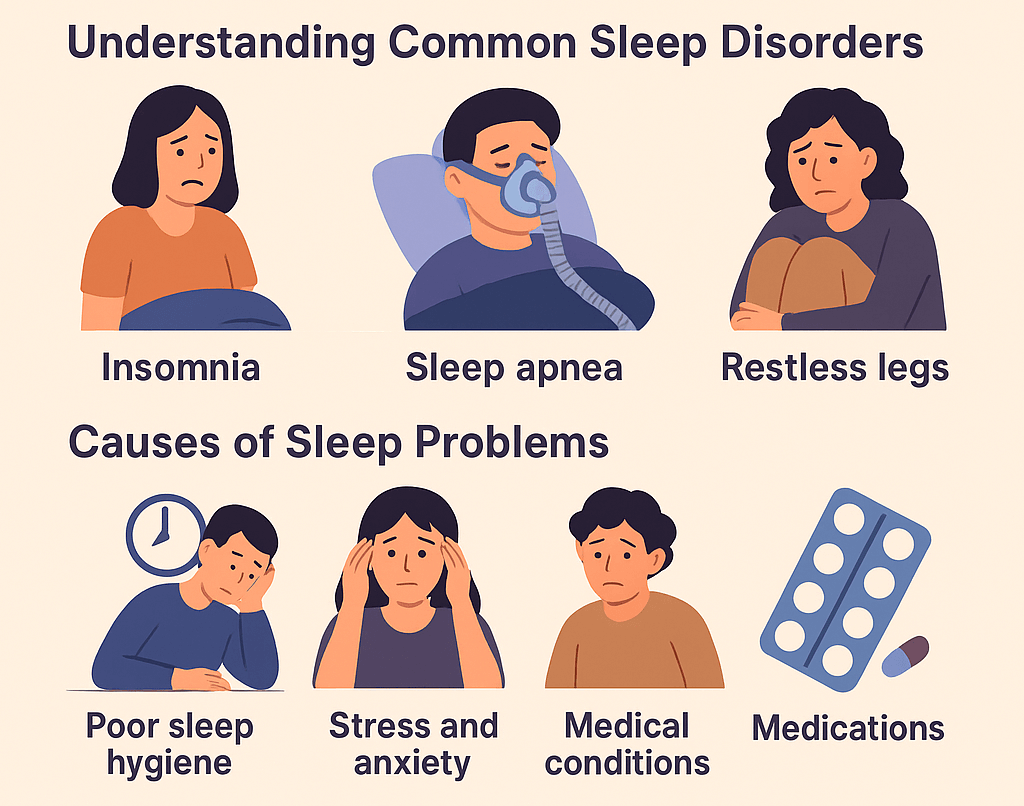
Understanding Common Sleep Disorders
Insomnia: Trouble Falling or Staying Asleep
Insomnia is the most common sleep disorder, affecting nearly 1 in 3 adults at some point in their lives. It can be short-term (acute) due to stress or long-term (chronic), often linked to mental health issues or poor sleep hygiene. People with insomnia may find it difficult to fall asleep, stay asleep, or wake up too early without being able to return to sleep.
Sleep Apnea: Breathing Interruptions During Sleep
Sleep apnea is a potentially serious disorder where breathing repeatedly stops and starts during sleep. This condition often goes undiagnosed but can lead to serious health complications such as high blood pressure, heart disease, and stroke. Symptoms include loud snoring, choking during sleep, and excessive daytime fatigue.
Restless Legs Syndrome and Periodic Limb Movement Disorder
Restless Legs Syndrome (RLS) causes uncomfortable sensations in the legs, often described as tingling or crawling, leading to an uncontrollable urge to move them. Periodic Limb Movement Disorder (PLMD) involves repetitive leg movements during sleep that disrupt rest.
Narcolepsy and Excessive Daytime Sleepiness
Narcolepsy is a rare but disabling neurological disorder characterized by sudden sleep attacks during the day. It can lead to dangerous situations, especially while driving or operating machinery.
Causes of Sleep Problems
Sleep problems rarely occur without a reason. Understanding the underlying causes is the first step to finding effective solutions.
Lifestyle and Poor Sleep Hygiene
Irregular sleep schedules, excessive screen time before bed, caffeine consumption, and late-night meals can disrupt the body’s natural circadian rhythm. Sleep hygiene—habits that promote healthy sleep—plays a critical role in preventing long-term issues.
Stress, Anxiety, and Mental Health Issues
Stress and anxiety are leading contributors to poor sleep. Racing thoughts, overthinking, and worry make it hard for the brain to wind down. Sleep problems are also closely linked with depression, creating a vicious cycle where poor sleep worsens mental health and vice versa.
Medical Conditions and Chronic Illness
Conditions such as asthma, arthritis, diabetes, thyroid disorders, and chronic pain often interfere with sleep. People with gastrointestinal problems like acid reflux may also experience nighttime disturbances.
Medications and Stimulants
Certain medications for high blood pressure, asthma, depression, or ADHD may disrupt sleep patterns. Similarly, stimulants like nicotine, alcohol, and caffeine can reduce sleep quality.
Signs and Symptoms of Sleep Problems
Recognizing the warning signs can help you address sleep issues before they become chronic.
Difficulty Falling or Staying Asleep
If it takes longer than 30 minutes to fall asleep or you wake up frequently during the night, you may be experiencing insomnia or another underlying disorder.
Daytime Fatigue and Lack of Concentration
Poor-quality sleep leads to tiredness, memory lapses, and difficulty focusing on daily tasks. Many people mistake this for laziness when it’s actually sleep deprivation.
Irritability, Mood Swings, and Depression
Lack of sleep affects emotional regulation, making individuals more prone to anger, sadness, and frustration. Over time, chronic sleep deprivation can contribute to clinical depression.
The Science of Sleep: Why Quality Rest Matters
Sleep Stages and Circadian Rhythm
Sleep occurs in cycles, including light sleep, deep sleep, and REM (rapid eye movement) sleep. Each stage plays a vital role in memory, learning, and physical repair. Circadian rhythm—the body’s internal clock—regulates when we feel awake or sleepy. Disruptions, such as jet lag or shift work, can disturb this rhythm.
Physical and Mental Health Benefits of Sleep
Adequate sleep boosts the immune system, improves heart health, regulates hormones, and enhances brain function. It also strengthens emotional resilience, helping people cope with stress better.
Diagnosing Sleep Problems
Doctors may use several approaches to identify sleep disorders:
Sleep Diaries and Questionnaires
Patients are often asked to keep a sleep diary for two weeks to track bedtime, wake time, and night awakenings. Questionnaires such as the Epworth Sleepiness Scale assess daytime sleepiness.
Polysomnography (Sleep Study)
This in-lab overnight test monitors brain waves, breathing patterns, oxygen levels, and body movements to detect disorders like sleep apnea.
Actigraphy and Home Monitoring Tools
Wearable devices and mobile apps now make it easier to track sleep quality at home, though they are less accurate than professional studies.
Natural Remedies and Lifestyle Changes for Better Sleep
Creating a Healthy Sleep Environment
Keep your bedroom cool, dark, and quiet. Investing in a comfortable mattress and blackout curtains can make a huge difference.
Establishing a Consistent Sleep Routine
Going to bed and waking up at the same time daily—even on weekends—helps regulate circadian rhythm.
Relaxation Techniques (Meditation, Deep Breathing, Yoga)
Mindfulness meditation, progressive muscle relaxation, and yoga calm the nervous system and prepare the body for rest.
Dietary Choices and Herbal Supplements
Limiting caffeine and alcohol intake in the evening promotes better sleep. Herbal remedies such as chamomile tea, valerian root, and melatonin supplements may also help.
Medical Treatments for Sleep Disorders
Cognitive Behavioral Therapy for Insomnia (CBT-I)
CBT-I is considered the gold standard for treating chronic insomnia. It addresses negative thought patterns and behaviors that interfere with sleep.
Prescription Medications and Sleep Aids
In some cases, doctors prescribe sedative-hypnotics, antidepressants, or antihistamines. However, these should only be used under medical supervision, as they can cause dependency.
CPAP Therapy for Sleep Apnea
For individuals with sleep apnea, Continuous Positive Airway Pressure (CPAP) machines keep airways open during sleep, preventing breathing interruptions.
Sleep Problems in Children and Teenagers
Night Terrors, Bedwetting, and Insomnia in Kids
Children may experience parasomnias like night terrors, sleepwalking, or frequent nightmares. Consistent bedtime routines and reassurance can help manage these issues.
Screen Time and Sleep Deprivation in Teenagers
Excessive use of smartphones and gaming late at night delays melatonin release, making it harder for teens to fall asleep. Parents should encourage screen-free time before bed.
Sleep Problems in Adults and Seniors
Hormonal Changes and Menopause
Women going through menopause often struggle with hot flashes and night sweats, which interfere with sleep.
Age-Related Changes in Sleep Patterns
Older adults may experience lighter sleep, early morning awakenings, and more frequent naps during the day. While this is normal, severe disturbances should be evaluated.
Preventing Sleep Problems: Tips for Long-Term Rest
Stick to a sleep schedule.
Avoid stimulants before bedtime.
Exercise regularly, but not too close to bedtime.
Create a calming bedtime ritual (reading, warm bath, herbal tea).
Limit naps during the day.
Manage stress through mindfulness and relaxation.
FAQs About Sleep Problems
1. What are the most common sleep problems?
Insomnia, sleep apnea, restless legs syndrome, and narcolepsy are among the most common sleep disorders.
2. Can sleep problems cause long-term health issues?
Yes, chronic sleep deprivation increases the risk of heart disease, obesity, diabetes, and depression.
3. How much sleep do adults really need?
Most adults require 7–9 hours of quality sleep each night.
4. Do natural remedies like melatonin really work?
Melatonin can help regulate sleep cycles, especially for shift workers or jet lag, but should be used sparingly.
5. How can I improve my sleep without medication?
Practicing good sleep hygiene, relaxation techniques, and maintaining a regular routine can significantly improve sleep quality.
6. When should I see a doctor for sleep problems?
If sleep issues persist for more than three weeks, or if you experience severe snoring, choking at night, or extreme daytime sleepiness, consult a healthcare professional.
Taking Charge of Your Sleep Health
Sleep problems can feel overwhelming, but they don’t have to control your life. By understanding the causes, recognizing symptoms, and adopting healthy sleep practices, you can regain restful nights and energized days. For persistent or severe issues, professional medical guidance ensures you get the right diagnosis and treatment.
Remember: Better sleep equals better health, mood, and productivity.
For further resources on sleep health, you can visit National Sleep Foundation.