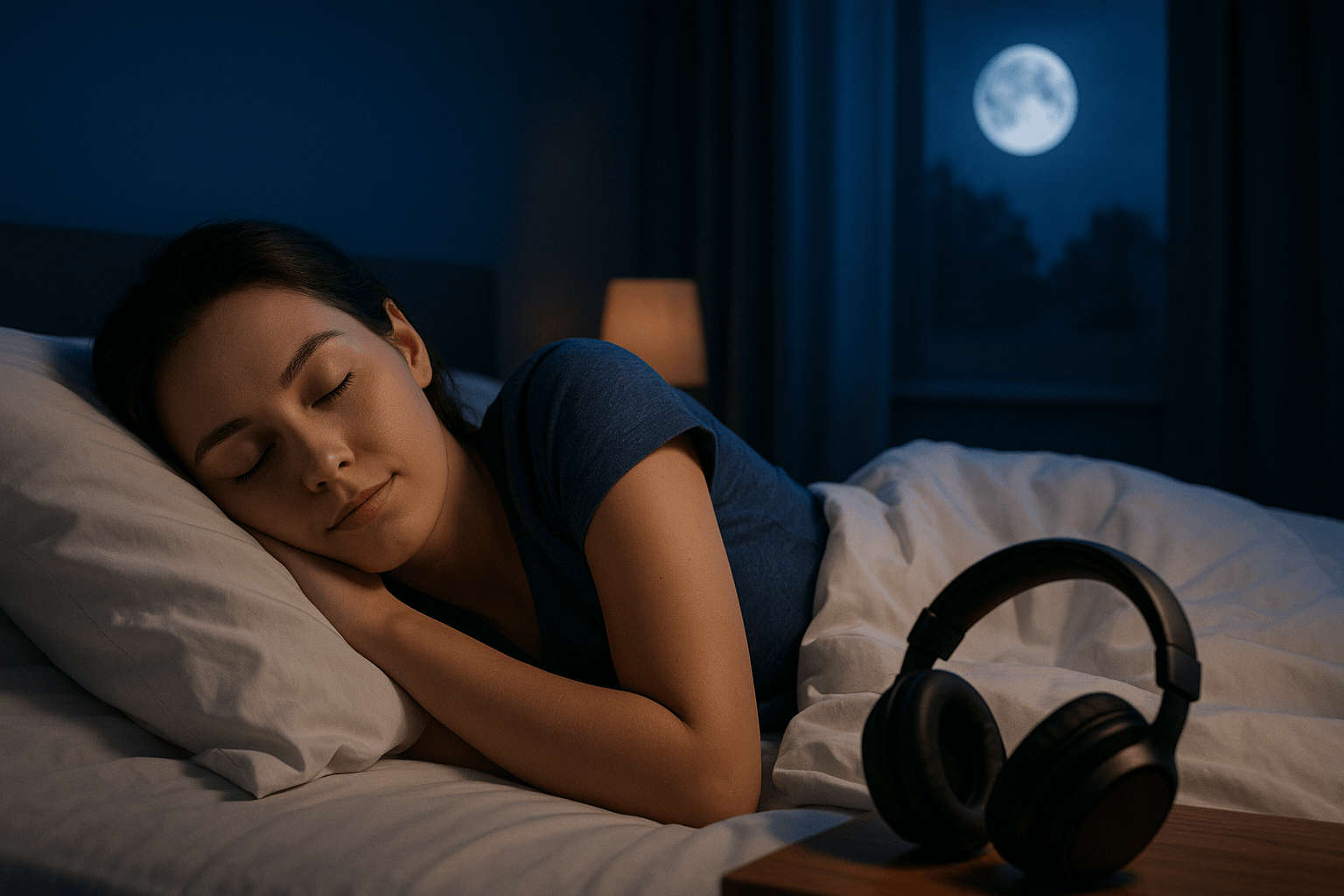
Falling asleep should be easy, but in today’s busy world, many people struggle with racing thoughts, stress, and insomnia. That’s where relaxing sleep music comes in. For centuries, music has been used as a tool for healing, meditation, and emotional balance. Now, science confirms that the right sounds can help you drift into a deeper, more restful sleep.
Whether you prefer soft piano melodies, calming ocean waves, or gentle instrumental tunes, sleep music can become a powerful ally in your nightly routine. In this guide, we’ll explore the science, benefits, types, and best ways to use relaxing sleep music for ultimate rest in 2025.
What Is Relaxing Sleep Music?
Definition and Key Elements
Relaxing sleep music is specifically designed to calm the mind and body, preparing you for a restful night’s sleep. Unlike regular music, it usually features:
Slow tempos (60–80 beats per minute, mimicking the resting heart rate)
Minimal lyrics or completely instrumental
Soft dynamics and smooth transitions
Nature sounds or ambient tones
Difference Between Sleep Music and Regular Music
While your favorite upbeat playlist might energize you, it’s unlikely to help you fall asleep. Sleep music is intentionally created with soothing qualities that reduce mental stimulation and promote relaxation.
The Science Behind Relaxing Sleep Music
How Music Affects the Brain and Sleep Cycles
Music influences the autonomic nervous system, slowing your heart rate, reducing blood pressure, and triggering the release of serotonin and melatonin—two hormones essential for sleep.
Research Studies on Sleep and Music
A study published in the Journal of Advanced Nursing found that listening to calming music for 45 minutes before bed improved sleep quality significantly in adults with sleep difficulties.
Role of Frequencies and Binaural Beats
Some sleep tracks use binaural beats—two slightly different tones played in each ear—to encourage brainwave states linked to deep relaxation and sleep.
Benefits of Relaxing Sleep Music
Reduces Stress and Anxiety
Calm melodies help lower cortisol levels, easing stress after a long day.
Helps Fall Asleep Faster
Listening to soothing tracks signals to your body that it’s time to rest.
Improves Sleep Quality
Deep, restorative sleep is more likely when your nervous system is relaxed.
Enhances Focus and Relaxation Before Bed
Even if you’re not ready to sleep, relaxing music can help you unwind and prepare your mind for rest.
Best Types of Relaxing Sleep Music
Classical Sleep Music: Soft piano, violin, or orchestral pieces.
Nature Sounds and Ambient Music: Ocean waves, rain, forest sounds.
Instrumental and Piano Sleep Tracks: Gentle acoustic instruments.
White Noise and Pink Noise: Steady background sound that masks distractions.
How to Use Relaxing Sleep Music Effectively
Best Time to Listen: 30–60 minutes before bed.
Volume and Duration: Keep it low and non-intrusive.
Combining Music with Meditation: Pairing sound with breathing exercises can enhance relaxation.
Tools and Apps for Relaxing Sleep Music
Spotify & YouTube: Thousands of playlists designed for sleep.
Apps: Calm, Headspace, Insight Timer.
Smart Devices: Alexa, Google Nest, and white noise machines.
Creating Your Own Relaxing Sleep Music Playlist
Choosing the Right Tracks: Stick to calm, instrumental, or ambient sounds.
Mixing Genres: Combine nature sounds with soft music for variety.
Setting a Bedtime Routine: Consistency trains your brain to associate music with sleep.
Relaxing Sleep Music for Kids and Babies
Children benefit from soothing sounds just as much as adults. Lullabies, white noise, and gentle melodies can comfort babies and help them sleep longer.
Common Myths About Relaxing Sleep Music
❌ “You Can Only Sleep in Silence” → Many people actually sleep better with sound.
❌ “Any Music Works as Sleep Music” → Fast-paced or lyrical songs can disrupt sleep.
FAQs About Relaxing Sleep Music
1. Can listening to music every night improve sleep long-term?
Yes, studies show consistent use of sleep music can train the brain to relax faster.
2. Is it safe to sleep with headphones on?
Yes, but wireless or sleep-specific headphones are safer and more comfortable.
3. Can relaxing sleep music replace medication for insomnia?
It can help, but always consult a doctor for severe sleep issues.
4. What’s the best genre for sleep?
It depends on personal preference, but instrumental, ambient, and nature sounds work best.
5. How long should I listen before bed?
45–60 minutes is ideal, though some prefer overnight playback at low volume.
6. Can kids use sleep music?
Absolutely. Just ensure the volume is low and tracks are gentle.
Conclusion: Unlocking the Power of Relaxing Sleep Music
Relaxing sleep music is more than just background sound—it’s a scientifically proven method to improve sleep quality, reduce stress, and create a nightly ritual that promotes deep rest. Whether you use apps, playlists, or your own custom mix, making sleep music part of your bedtime routine in 2025 could be the key to better health and happiness.