Natural Sleep Aids: What Works and What Doesn’t

It’s 2 a.m., and I’m lying in bed, staring at the ceiling. Again. I’ve tried the warm milk. I’ve counted sheep. Even the softest rain sounds playlist didn’t help. At some point, most of us consider turning to “natural” sleep aids—because surely, if it’s natural, it must be safe and effective, right?

Well… not so fast.

In this article, we’ll explore the most common natural sleep aids, what science says about their effectiveness, and which ones are better left on the shelf.

Melatonin: Helpful but Misunderstood

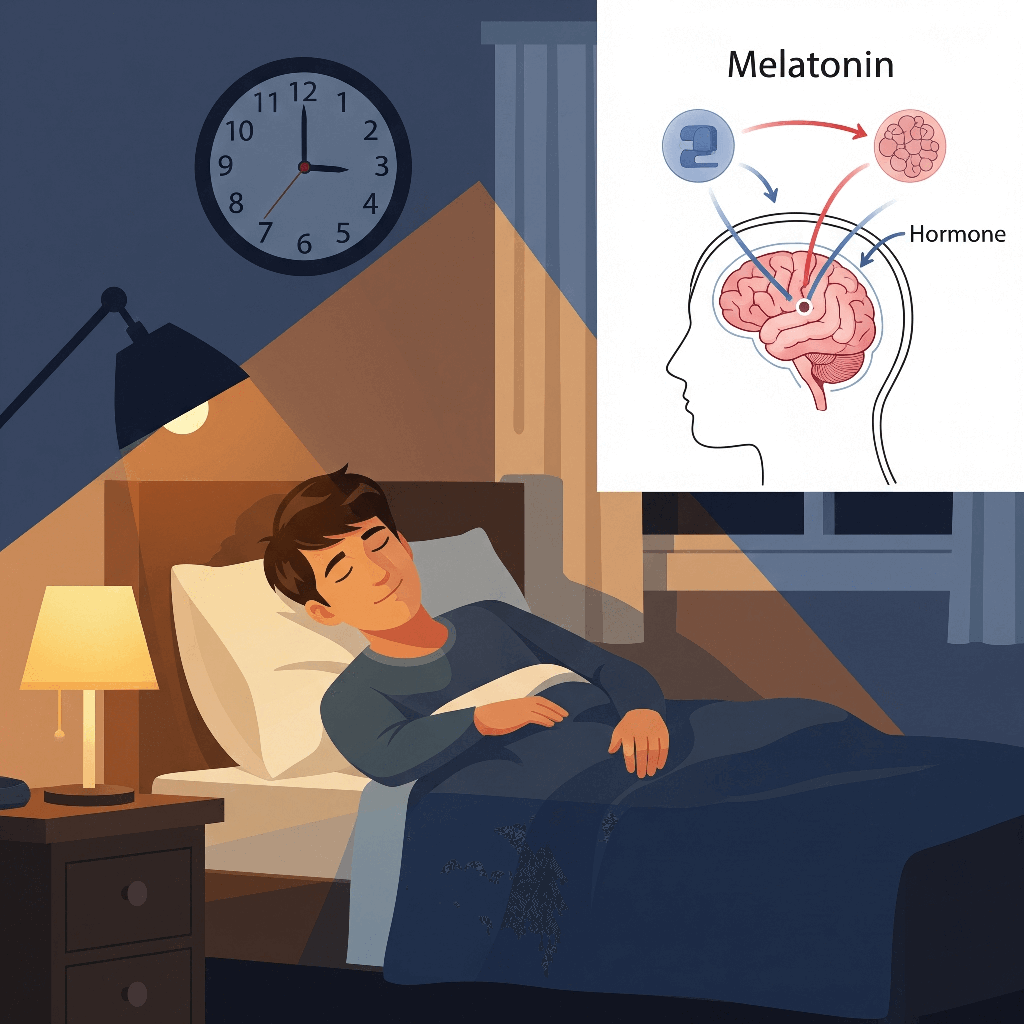
melatonin interacting with the brain as a person prepares for sleep, with clock and dim light in the background.

Melatonin often tops the list of sleep supplements, and for good reason. It’s a hormone naturally produced by our brain in response to darkness, helping signal that it’s time to sleep. However, melatonin isn’t a sleeping pill—it doesn’t make you sleep; it simply nudges your body in the right direction.

Most people misuse it by taking too much or using it at the wrong time. According to research, small doses (0.3–1 mg) taken about 1–2 hours before bed are most effective, particularly for jet lag or shift work.

Verdict: Works—when used correctly.
Magnesium: The Calm Mineral

Magnesium is essential for over 300 biochemical reactions in the body—including those that regulate stress and relaxation. Some people with insomnia have lower magnesium levels, and supplementation has been shown to improve sleep quality in certain cases.

However, don’t expect instant magic. Magnesium won’t knock you out, but it might help your body relax more easily, especially when paired with a calming bedtime routine.

Verdict: Can help—especially if you’re deficient.

Herbal Remedies: Chamomile, Valerian, and Lavender

Chamomile tea has been the go-to nighttime beverage for generations. It contains apigenin, a compound that binds to brain receptors to promote sleepiness. While evidence is mild, many people report feeling calmer after drinking it.

Valerian root and lavender oil are also frequently touted as sleep aids. The research is mixed: some small studies suggest benefits, while others show minimal effect. Plus, valerian can interact with medications or cause side effects in sensitive individuals.

Verdict: Chamomile is low-risk and calming; others require caution.

CBD and Hemp Products: Trendy but Unproven

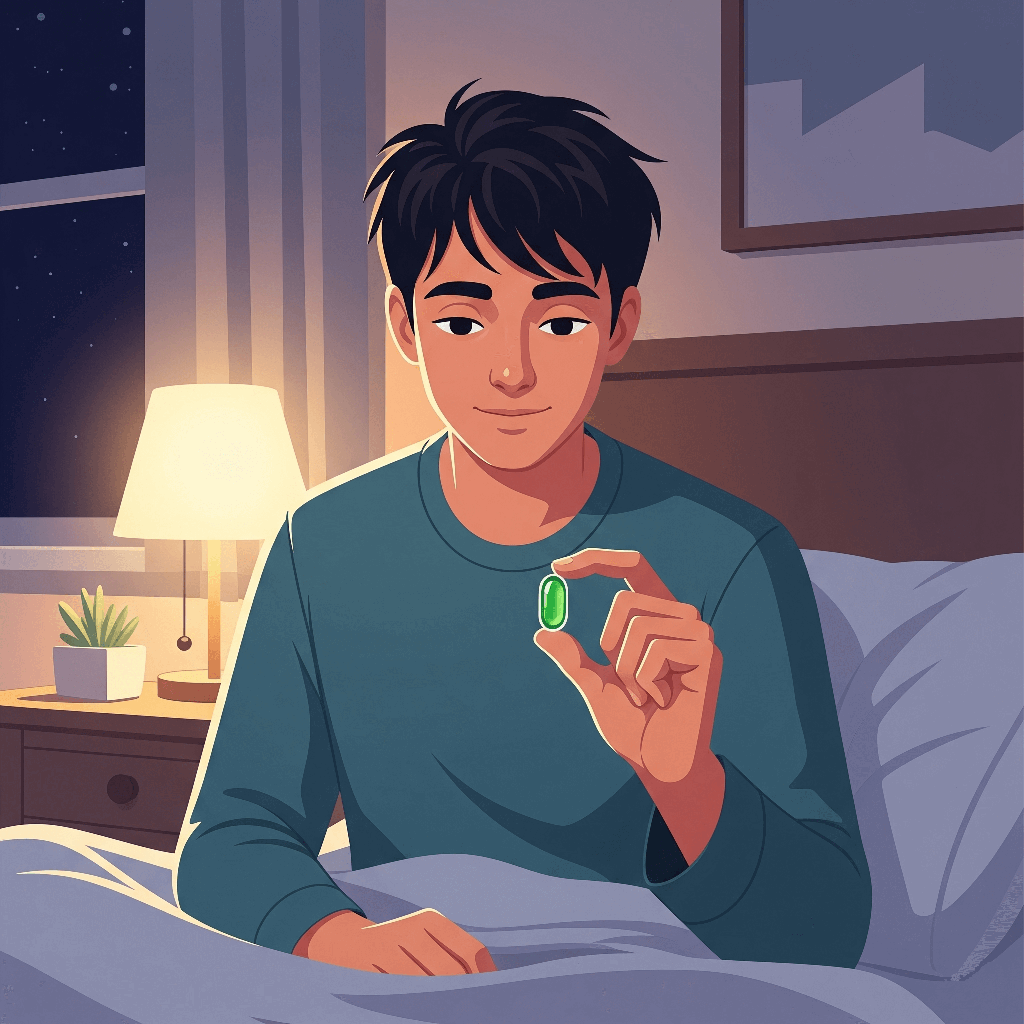
young adult holding a CBD capsule in bed at night, with a calm bedroom environment.

CBD has surged in popularity as a supposed fix for everything from anxiety to insomnia. But when it comes to sleep, the jury’s still out. Some studies suggest CBD may help some individuals sleep by reducing anxiety, but others find no significant benefit.

It’s also important to note that quality control varies wildly across CBD products, making dosage and safety unpredictable.

Verdict: Potential promise, but more research needed.

The Placebo Effect Is Real

Here’s something most articles won’t say: even if a supplement doesn’t work biochemically, it might still help psychologically. Believing that something will help you sleep can be powerful. And that’s not necessarily a bad thing.

Of course, this doesn’t mean you should waste money on ineffective products. But it does highlight how your mindset and expectations play a huge role in how you sleep.

What Really Works: Routine and Sleep Hygiene

Supplements are just one piece of the puzzle. The unsexy truth? Consistent routines and good sleep hygiene are the most effective “natural” sleep aids out there.

That means:

  • Keeping the same sleep and wake time daily

  • Limiting screen time before bed

  • Keeping your room dark and cool

  • Avoiding caffeine late in the day

These habits may not come in a bottle, but they work.

Final Thoughts

Natural sleep aids can be helpful—but they’re not a silver bullet. Before investing in pills and potions, look at your daily habits. Your body is designed to sleep. Sometimes, it just needs the right conditions—and a little patience—to do its job.

1 thought on “Natural Sleep Aids: What Works and What Doesn’t”

Leave a Comment