Daytime somnolence, often referred to as excessive daytime sleepiness, is a condition that affects millions of people worldwide. For beginners exploring this topic, it’s more than just feeling tired after a poor night’s rest. Instead, it represents an ongoing challenge where individuals struggle to stay awake and alert during the day, even when they believe they’ve had enough sleep.
Understanding daytime somnolence is important because it can be an early warning sign of underlying health problems, ranging from lifestyle issues to serious medical conditions. For someone new to learning about sleep health, this guide will simplify complex information into beginner-friendly explanations while keeping things practical, scientific, and easy to follow.
What Is Daytime Somnolence?
At its core, daytime somnolence means excessive sleepiness during waking hours. Unlike ordinary fatigue that improves with rest, somnolence tends to persist and can interfere with work, school, and daily life. It may cause someone to doze off during conversations, lectures, or even while driving—a dangerous situation that highlights the importance of early recognition.
Why Beginners Should Learn About It
If you’re just beginning to explore health and wellness topics, learning about daytime somnolence can:
Help you recognize symptoms early.
Encourage you to make healthier lifestyle choices.
Prevent accidents and improve quality of life.
Guide you in seeking professional help when necessary.
Common Symptoms of Daytime Somnolence
Daytime somnolence doesn’t always look the same for everyone. Some people may constantly feel drowsy, while others might experience sudden, uncontrollable episodes of sleep.
Physical Signs You Shouldn’t Ignore
Heavy eyelids and frequent yawning.
Difficulty keeping your head upright.
Slow reaction times while driving or operating machinery.
Falling asleep at inappropriate times, such as during work or meetings.
Emotional and Cognitive Symptoms
Trouble concentrating and remembering details.
Irritability or sudden mood changes.
Decreased motivation to complete tasks.
Increased likelihood of making mistakes or poor decisions.
These symptoms can reduce productivity, harm relationships, and even put safety at risk.
Causes of Daytime Somnolence
The causes of daytime somnolence are varied, ranging from poor lifestyle habits to complex medical disorders. For beginners, it’s helpful to divide them into three categories: lifestyle, medical, and medication-related causes.
Lifestyle Factors (Diet, Exercise, Sleep Hygiene)
Irregular sleep schedule: Staying up late and waking up early disrupts circadian rhythms.
Poor diet: Heavy meals, excessive sugar, or caffeine reliance can disturb natural sleep cycles.
Lack of exercise: Physical inactivity can lower energy levels, leading to drowsiness.
Medical Conditions Linked to Somnolence
Sleep apnea: Interrupted breathing during sleep causes poor rest quality.
Narcolepsy: A neurological condition marked by sudden sleep attacks.
Depression and anxiety: Mental health issues often interfere with restful sleep.
Thyroid disorders: Imbalances in hormones can affect energy levels.
Medications That May Trigger Sleepiness
Certain drugs list drowsiness as a side effect, including:
Antihistamines.
Antidepressants.
Blood pressure medications.
Muscle relaxants.
Risk Factors for Developing Daytime Somnolence
Not everyone is equally prone to excessive daytime sleepiness. Certain risk factors make some individuals more likely to experience it.
Age and Gender Differences
Teenagers and young adults often experience daytime somnolence due to irregular sleep schedules and lifestyle habits.
Middle-aged adults may face it as a result of work stress, family responsibilities, or medical conditions.
Older adults are more vulnerable because of natural changes in sleep architecture and higher rates of chronic illnesses.
Gender also plays a role—some studies suggest that women may report higher rates of sleepiness, especially during pregnancy or menopause.
Family History and Genetics
Research shows that genetics may influence how susceptible someone is to sleep disorders like narcolepsy or sleep apnea. If a close relative experiences these conditions, your chances of developing daytime somnolence increase.
Environmental Influences
Living in noisy or crowded areas can disrupt nighttime rest.
Working in shift-based jobs leads to irregular sleep-wake cycles.
Overuse of digital devices before bed may suppress melatonin production, making quality sleep harder to achieve.
How Daytime Somnolence Impacts Daily Life
Daytime somnolence is not just about feeling tired—it has ripple effects on nearly every aspect of life.
Work and Productivity Challenges
Reduced focus and concentration lower workplace performance.
Mistakes in jobs requiring attention to detail can lead to serious consequences.
Employers may notice a decline in productivity, which can impact career growth.
Academic Performance in Students
Difficulty staying awake during classes affects learning outcomes.
Poor grades and lack of motivation are common consequences.
Sleepy students often struggle with memory retention and problem-solving skills.
Social and Relationship Struggles
Irritability and mood swings can create tension in relationships.
Friends and family may misinterpret sleepiness as laziness.
Social activities are often avoided due to low energy.
Diagnosis of Daytime Somnolence
Getting an accurate diagnosis is crucial for effective treatment. Beginners should understand that diagnosis involves both self-evaluation and professional testing.
Self-Assessment Tools for Beginners
Epworth Sleepiness Scale (ESS): A short questionnaire that measures daytime drowsiness.
Sleep diaries: Keeping track of bedtime, wake-up time, and naps provides insight.
Wearable devices: Fitness trackers can monitor sleep duration and quality.
Clinical Tests and Evaluations
Polysomnography (Sleep Study): Measures brain waves, heart rate, and breathing patterns.
Multiple Sleep Latency Test (MSLT): Evaluates how quickly you fall asleep in quiet settings.
Blood tests: Check for thyroid imbalances or vitamin deficiencies that may cause fatigue.
Treatment Options for Daytime Somnolence
Treatment depends on the underlying cause. Beginners can start with lifestyle changes but may also require medical interventions.
Lifestyle and Behavioral Changes
Stick to a consistent sleep schedule.
Create a sleep-friendly environment—quiet, dark, and cool.
Limit caffeine, nicotine, and alcohol before bed.
Engage in daily exercise to regulate energy levels.
Medications and Medical Therapies
Stimulants may be prescribed for narcolepsy or hypersomnia.
CPAP therapy is the standard for sleep apnea treatment.
Adjusting or switching medications that cause drowsiness under medical guidance.
Alternative and Natural Remedies
Herbal teas like chamomile or valerian root may improve relaxation.
Mindfulness and meditation reduce stress that interferes with sleep.
Aromatherapy with lavender oil has been shown to promote calmness.
Preventive Measures for Daytime Somnolence
Beginners often ask, “How can I stop this from happening in the first place?” Prevention is possible with consistent habits.
Building a Healthy Sleep Routine
Go to bed and wake up at the same time every day—even on weekends.
Practice a calming bedtime routine, such as reading or listening to soft music.
Avoid screens at least one hour before sleep.
Stress Management and Relaxation Techniques
Practice deep breathing exercises before bed.
Try yoga or stretching to release physical tension.
Journaling can help clear the mind of worries.
The Role of Diet and Hydration
Avoid heavy meals close to bedtime.
Drink enough water throughout the day but reduce intake before bed.
Include magnesium- and potassium-rich foods that support healthy sleep.
When to See a Doctor
While occasional tiredness is normal, persistent daytime somnolence may point to a more serious issue.
Warning Signs of Serious Underlying Conditions
Falling asleep suddenly and uncontrollably during activities.
Loud snoring, choking, or pauses in breathing during sleep.
Severe depression or anxiety symptoms alongside fatigue.
Memory lapses and confusion.
How to Talk to Your Doctor Effectively
Prepare a list of symptoms and their duration.
Share details about your sleep habits and daily routine.
Mention any medications or supplements you’re taking.
Ask specific questions about treatment options and long-term management.
Myths and Misconceptions About Daytime Somnolence
Beginners often believe myths that prevent them from taking symptoms seriously.
“It’s Just Normal Tiredness”
Many people confuse chronic sleepiness with ordinary fatigue. If drowsiness interferes with daily life, it’s more than just “being tired.”
“Caffeine Fixes Everything”
Caffeine only provides a temporary boost. Overuse can worsen sleep quality and increase dependency.
“Only Older People Experience It”
Daytime somnolence can affect any age group, including children and young adults, especially with poor sleep hygiene.
Daytime Somnolence vs. Other Sleep Disorders
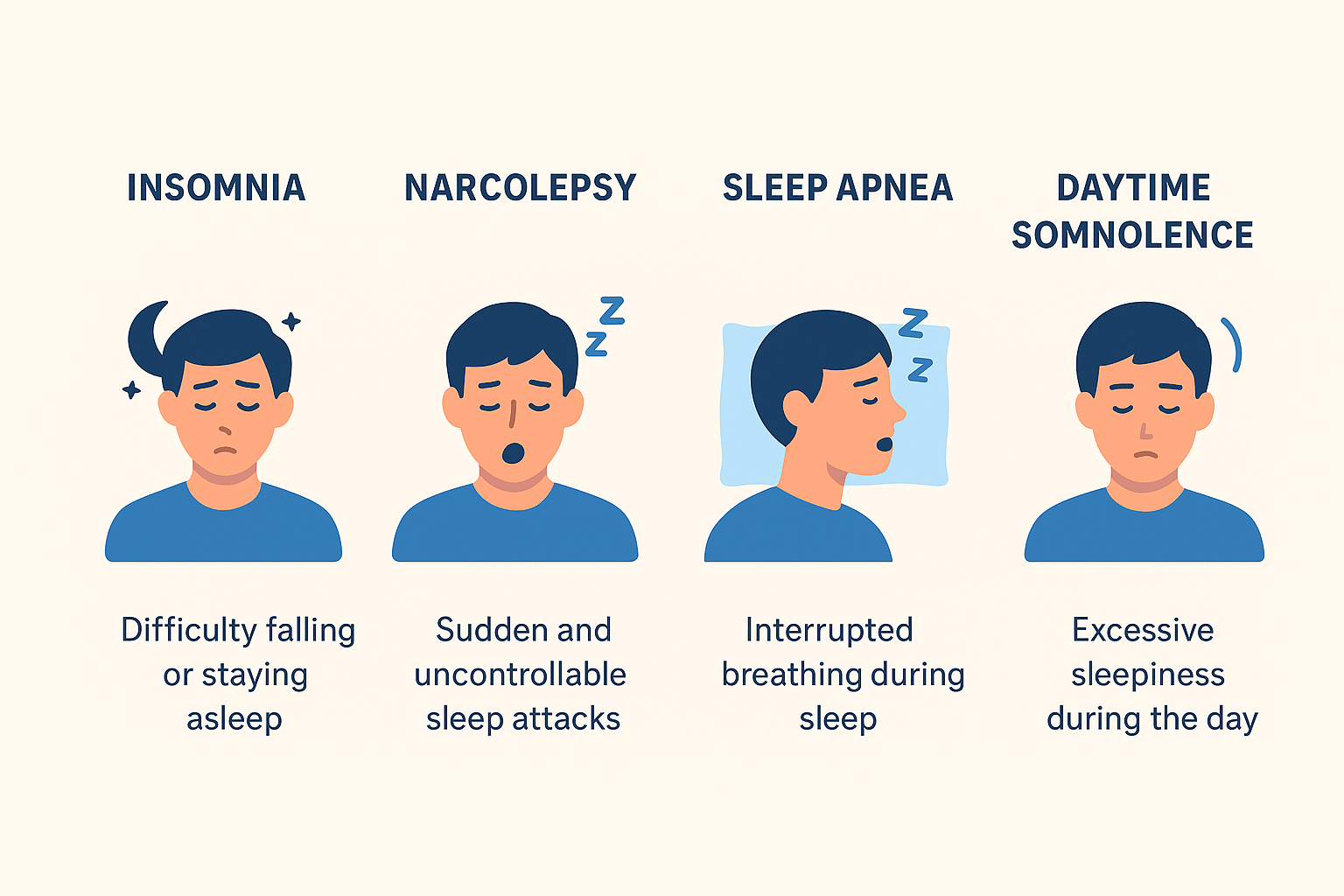
Daytime somnolence is often confused with other sleep disorders. Understanding the differences helps beginners recognize what they may actually be experiencing.
Differences from Insomnia
Insomnia: Difficulty falling asleep or staying asleep.
Daytime Somnolence: Feeling excessively sleepy during the day, even after sleeping.
People with insomnia often feel frustrated by lack of sleep, while those with somnolence may feel they slept but still wake up unrefreshed.
How It Differs from Narcolepsy
Narcolepsy: A chronic neurological disorder where people experience sudden sleep attacks.
Daytime Somnolence: Sleepiness without sudden collapses into REM sleep.
Narcolepsy often includes cataplexy (sudden muscle weakness), which is not seen in ordinary somnolence.
Comparing with Sleep Apnea
Sleep Apnea: Interrupted breathing during sleep, causing poor sleep quality.
Daytime Somnolence: Sleepiness is a symptom, not a cause.
Sleep apnea often requires medical devices like CPAP, while somnolence may improve with lifestyle changes.
Practical Tips for Beginners Living With Daytime Somnolence
If you’re just starting to manage daytime somnolence, practical daily habits can make a huge difference.
Simple Home Remedies
Take short power naps (15–20 minutes) during the day if needed.
Use blackout curtains or an eye mask to improve nighttime rest.
Drink herbal teas that promote relaxation.
Productivity Hacks
Break large tasks into smaller steps to reduce mental fatigue.
Use alarms or reminders to stay on schedule.
Prioritize important tasks in the morning when energy is higher.
Building Support Systems
Talk to family and friends about your challenges.
Join online communities or forums about sleep health.
Seek support from school counselors or workplace managers if performance is affected.
Expert Insights and Research on Daytime Somnolence
Science continues to uncover the complex relationship between sleep and overall health.
Latest Studies on Sleep Disorders
Research from the American Academy of Sleep Medicine shows that up to 20% of adults struggle with daytime sleepiness.
Studies link chronic sleepiness to an increased risk of heart disease, diabetes, and mental health disorders.
Future Trends in Sleep Medicine
Wearable technology is improving early detection of sleep problems.
Artificial intelligence is being used to analyze sleep data more effectively.
Personalized treatment plans based on genetics may become the future of sleep medicine.
FAQs About Daytime Somnolence
1. What is the main difference between fatigue and daytime somnolence?
Fatigue is a feeling of tiredness without necessarily being sleepy, while daytime somnolence refers to the inability to stay awake during the day.
2. Can daytime somnolence be cured completely?
It depends on the cause. If linked to lifestyle habits, improvements are possible. If related to medical conditions like narcolepsy, it may require long-term management.
3. How many hours of sleep should I get to avoid daytime somnolence?
Most adults need 7–9 hours of quality sleep per night, but individual needs vary.
4. Is daytime somnolence dangerous?
Yes, it can increase the risk of accidents, especially when driving or operating machinery. It also reduces work efficiency and academic performance.
5. Does drinking coffee help with daytime somnolence?
Coffee provides temporary relief, but it doesn’t fix the root cause. Overreliance on caffeine can worsen sleep quality.
6. When should I seek medical help for daytime somnolence?
If symptoms persist for more than a few weeks, or if you experience sudden sleep attacks, loud snoring, or difficulty breathing during sleep, consult a doctor immediately.
Taking Charge of Your Sleep Health
Daytime somnolence is not just a passing phase of tiredness—it’s a serious sleep-related condition that can impact your physical health, emotional balance, productivity, and relationships. For beginners, understanding the basics is the first step toward better sleep health.
By recognizing symptoms early, making small but consistent lifestyle changes, and seeking medical support when needed, you can take charge of your energy levels and overall well-being.
Remember, sleep is not a luxury—it’s a fundamental pillar of health, just as important as diet and exercise. The sooner you prioritize it, the sooner you’ll unlock a more energized and focused life.