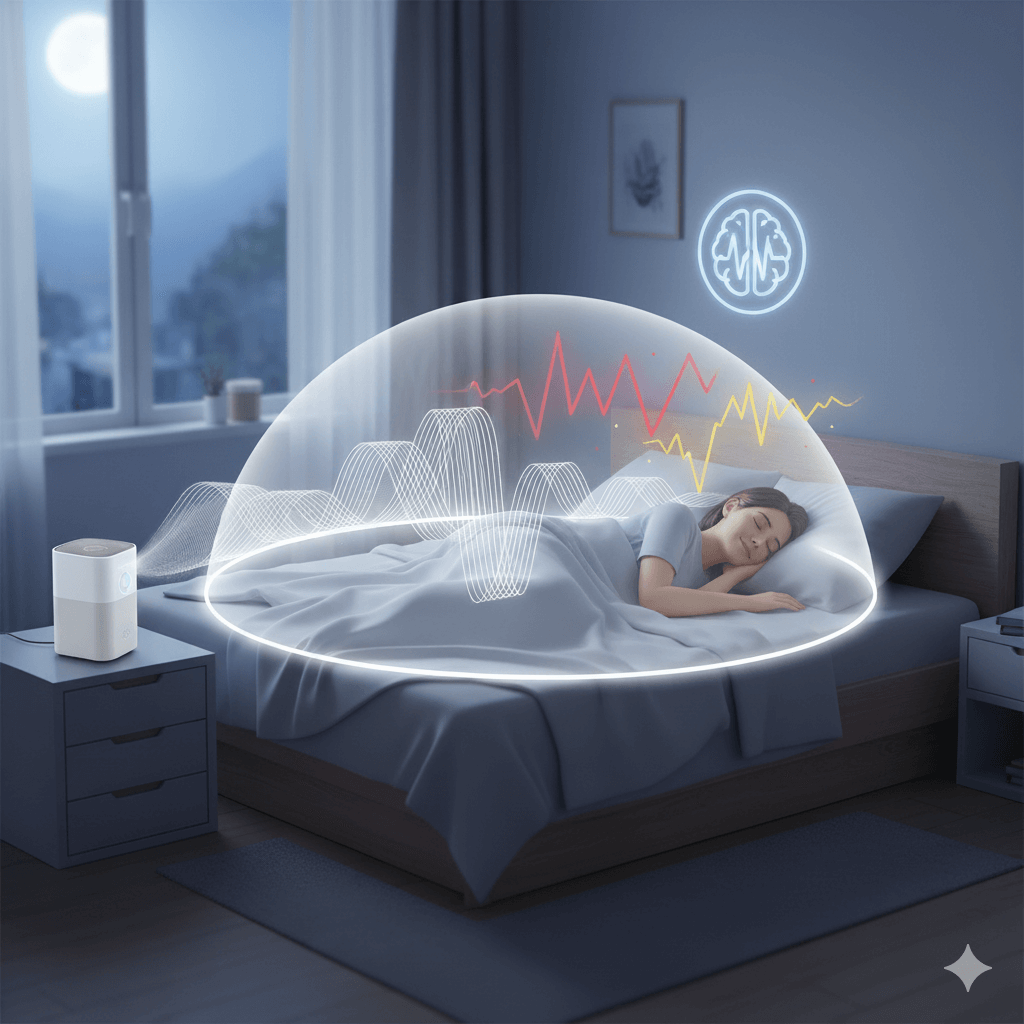
Why Sleep Matters More Than Ever
In today’s fast-paced world, sleep has become a luxury. From constant notifications to noisy neighbors, uninterrupted rest feels harder to achieve. Poor sleep not only makes you groggy but also affects your mental focus, immunity, and long-term health. That’s where white noise for sleep steps in as a natural, non-invasive solution to improve rest.
What Is White Noise?
The Science Behind White Noise
White noise is a consistent sound that combines all frequencies the human ear can hear, played at equal intensity. Imagine the static of a TV or the gentle hum of a fan—that’s white noise. Its consistent sound masks sudden disruptions, helping your brain relax.
Common Sources of White Noise
You’ve probably already encountered white noise in everyday life. Examples include:
The humming of an air conditioner
The whirring of a fan
The steady rush of a waterfall
Digital apps or machines designed to create white noise
How White Noise Improves Sleep Quality
Blocking Environmental Distractions
Street traffic, barking dogs, or roommates watching TV can keep you awake. White noise acts like a sound blanket, covering up these disturbances.
Promoting Relaxation and Stress Relief
The gentle hum of white noise signals your brain that it’s time to rest, reducing anxiety and creating a soothing sleep environment.
Encouraging Faster Sleep Onset
If you toss and turn before falling asleep, white noise can help you drift off faster by quieting mental chatter.
Benefits of White Noise for Sleep Disorders
White Noise for Insomnia
For people with insomnia, white noise offers a calming background that may shorten the time it takes to fall asleep.
White Noise and Sleep Apnea
While white noise doesn’t cure apnea, it can make CPAP therapy more tolerable by masking machine sounds.
White Noise for Tinnitus Sufferers
Those with ringing in the ears often find relief in white noise, which reduces the perception of constant ringing.
White Noise for Babies and Children
Calming Fussy Infants
Newborns are accustomed to womb sounds. White noise mimics that environment, calming crying babies and helping them sleep.
Helping Toddlers Sleep Through the Night
For toddlers easily woken by small noises, white noise provides consistent comfort and stability.
Types of White Noise Machines and Apps
Portable White Noise Machines
Small, battery-powered devices are ideal for travel or bedside use.
Smartphone Apps
Many free and paid apps let you choose from a range of sounds, from rain to fan noises.
Smart Home Devices
Amazon Echo or Google Nest can stream white noise tracks or connect to sleep apps.
Pros and Cons of Using White Noise
Advantages of White Noise
Non-medicated sleep aid
Affordable and accessible
Helpful for both adults and children
Potential Drawbacks
Dependence on noise for sleep
Not effective for everyone
May disturb partners who prefer silence
Alternatives to White Noise for Sleep
Pink Noise and Brown Noise
Pink noise emphasizes lower frequencies, like rainfall, while brown noise mimics deeper sounds like thunder.
Nature Sounds and Ambient Music
Birdsong, ocean waves, or instrumental music are relaxing alternatives.
Tips for Using White Noise Effectively
Choosing the Right Device
Pick a device that suits your lifestyle—portable machines for travel, smart apps for convenience, or bedside units for home.
Setting the Ideal Volume
Keep the sound at a comfortable level, around 50–60 decibels (similar to a quiet conversation).
Best Practices for Consistency
Use white noise nightly to help your body associate it with sleep.
Expert Opinions and Research Studies
Studies suggest that white noise can shorten the time it takes to fall asleep and improve sleep quality for hospital patients. Many sleep experts recommend it as a non-invasive tool for better rest.
FAQs About White Noise for Sleep
Q1: Is white noise safe to use every night?
Yes, it’s safe for adults and children as long as the volume is moderate.
Q2: Can white noise damage hearing?
No, unless played at excessively high volumes. Keep it under 70 decibels.
Q3: Does white noise work for everyone?
Not always. Some prefer silence or alternative sounds like pink noise.
Q4: Is white noise good for babies?
Yes, but keep the device away from the crib and at safe volume levels.
Q5: Can white noise replace medical treatment for insomnia?
No, it’s a supportive aid, not a cure. Always consult a doctor for chronic sleep issues.
Q6: What’s the difference between white, pink, and brown noise?
White noise is evenly distributed across frequencies, pink emphasizes lower frequencies, and brown emphasizes even deeper tones.
Can White Noise Really Help You Sleep Better?
From calming restless minds to blocking out disruptive sounds, white noise for sleep is a simple yet powerful tool for better rest. Whether you’re an adult battling insomnia, a parent soothing a baby, or just someone wanting deeper sleep, white noise could be your ticket to sweet dreams.
I like this weblog so much, saved to my bookmarks. “Respect for the fragility and importance of an individual life is still the mark of an educated man.” by Norman Cousins.