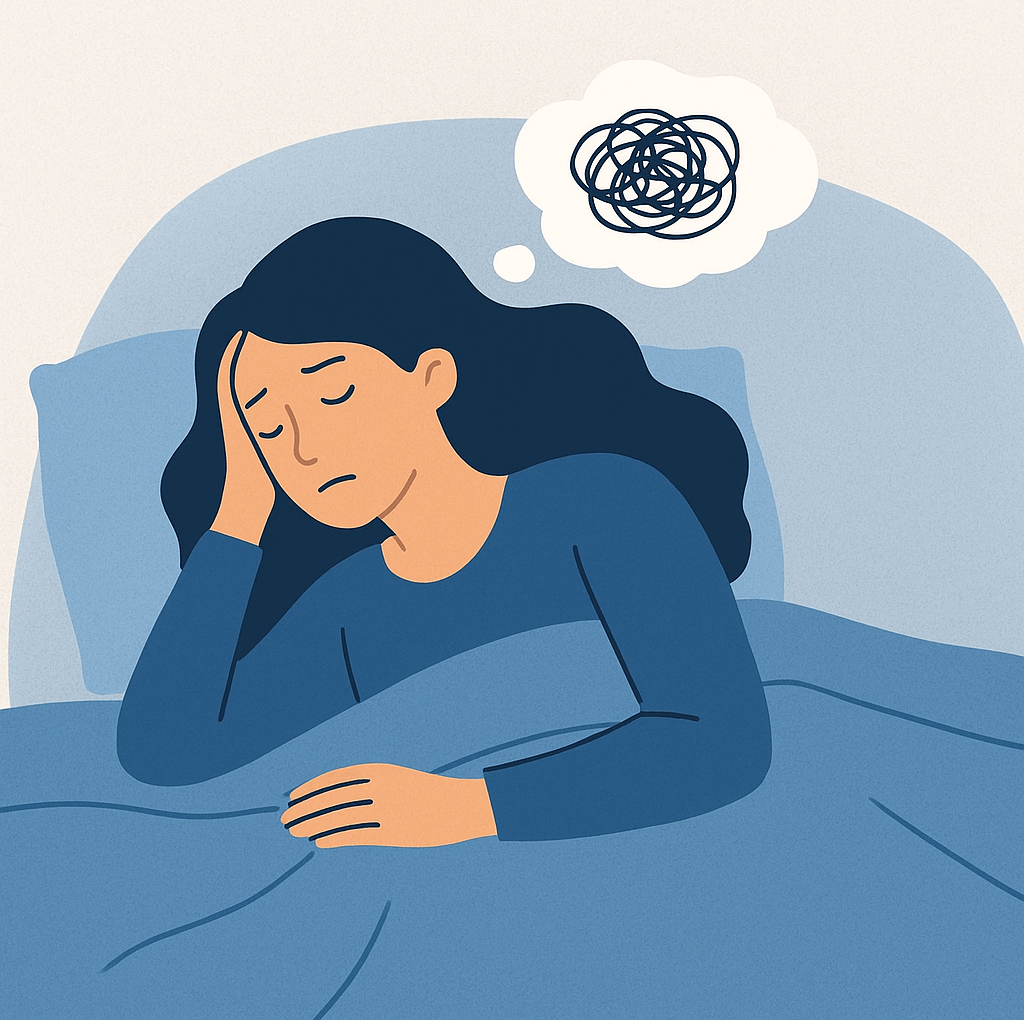
If you’ve ever tossed and turned at night with racing thoughts, you know how tightly connected anxiety and sleep problems can be. Anxiety can make it hard to fall asleep, stay asleep, or get the deep rest your body needs. On the flip side, poor sleep can heighten anxiety the next day, creating a frustrating cycle.
The good news? There are practical sleep tips for anxiety that can help you break the cycle and finally get the restorative sleep you deserve.
Why Anxiety Disrupts Sleep Patterns
The Cycle of Anxiety and Insomnia
Anxiety often triggers insomnia by keeping the mind overly alert. Worrying about tomorrow, replaying past events, or stressing over daily challenges can delay sleep onset and lead to restless nights.
How Stress Hormones Affect Sleep Quality
When you feel anxious, your body releases cortisol and adrenaline. These stress hormones increase heart rate and alertness, making it difficult to relax into sleep. Chronic exposure to them may even shorten deep sleep cycles.
Common Sleep Issues Caused by Anxiety
Trouble falling asleep (sleep onset insomnia)
Waking up frequently during the night
Nightmares or restless dreams
Early morning awakenings with a racing mind
Lifestyle Sleep Tips for Anxiety Relief
Establishing a Consistent Sleep Schedule
Going to bed and waking up at the same time daily helps regulate your body’s internal clock. Over time, this consistency trains your brain to recognize when it’s time to rest.
Creating a Calming Bedtime Routine
A pre-sleep routine signals your body to wind down. Activities like light stretching, a warm shower, or reading a calming book can ease anxiety and prepare your mind for rest.
Limiting Caffeine, Alcohol, and Late-Night Eating
Stimulants like caffeine and alcohol disrupt sleep cycles, while heavy meals can cause discomfort. Aim to cut caffeine after 2 p.m. and avoid late-night snacking.
The Role of Physical Exercise in Reducing Anxiety at Night
Exercise reduces anxiety by lowering cortisol levels and releasing endorphins. Just avoid vigorous workouts close to bedtime, as they may increase alertness.
Mind-Body Relaxation Techniques for Better Sleep
Deep Breathing and Guided Meditation
Slow breathing exercises lower heart rate and activate the body’s relaxation response. Pairing this with guided meditation can quiet racing thoughts.
Progressive Muscle Relaxation Before Bed
By systematically tensing and relaxing muscle groups, you release physical tension tied to anxiety. This method helps the body transition into a state of calm.
Journaling to Release Anxious Thoughts
Writing down worries before bedtime can “empty” your mind, reducing nighttime rumination and making it easier to drift off.
Visualization Techniques for Restful Sleep
Imagining peaceful scenes—like a beach or a quiet forest—can redirect focus away from anxious thoughts, guiding your mind into sleep mode.
Lorem ipsum dolor sit amet, consectetur adipiscing elit. Ut elit tellus, luctus nec ullamcorper mattis, pulvinar dapibus leo.
Environmental Changes That Support Anxiety-Free Sleep
Optimizing Your Bedroom for Comfort
Keep your room cool, dark, and quiet. Invest in a supportive mattress and breathable bedding to maximize comfort.
Using White Noise or Calming Sounds
Sound machines or apps with nature sounds can mask disruptive noises and create a soothing background for sleep.
Managing Screen Time and Blue Light Exposure
Screens emit blue light that suppresses melatonin, the sleep hormone. Aim to power down devices at least an hour before bed.
Natural Remedies and Sleep Aids for Anxiety
Herbal Teas Like Chamomile and Lavender
Chamomile and lavender tea have calming effects, reducing anxiety and supporting sleep onset naturally.
Essential Oils and Aromatherapy
Scents like lavender, bergamot, and sandalwood activate relaxation pathways in the brain, making it easier to unwind.
Magnesium and Melatonin Supplements
Magnesium promotes muscle relaxation, while melatonin helps regulate your circadian rhythm. Always consult a doctor before adding supplements.
Cognitive-Behavioral Approaches to Sleep Anxiety
Challenging Negative Thoughts at Bedtime
Replace “I’ll never sleep” with more balanced thoughts like “My body knows how to rest.” This shift reduces nighttime anxiety.
Using CBT-I (Cognitive Behavioral Therapy for Insomnia)
CBT-I is a proven therapy that addresses both anxiety and sleep habits, often leading to long-lasting improvements without medication.
When to Seek Professional Help
Signs Your Anxiety Needs Medical Attention
Persistent insomnia lasting more than 3 weeks
Panic attacks at night
Severe daytime anxiety and fatigue
Therapies and Treatments for Sleep-Related Anxiety
Options include psychotherapy, mindfulness-based therapies, and stress-management programs.
Talking with a Doctor About Medication Options
If lifestyle changes don’t help, doctors may prescribe short-term sleep aids or anti-anxiety medications.
FAQs on Sleep Tips for Anxiety
1. What is the best natural sleep aid for anxiety?
Chamomile tea, lavender essential oil, and magnesium are often effective natural options.
2. Can exercise help reduce anxiety before bed?
Yes, light exercise like yoga or stretching helps relax the body, though intense workouts should be avoided late at night.
3. How many hours of sleep should people with anxiety aim for?
Most adults need 7–9 hours of quality sleep to support mental health.
4. Is meditation effective for sleep anxiety?
Absolutely—meditation reduces racing thoughts and helps shift the brain into relaxation mode.
5. Should I avoid screens before bed?
Yes, blue light from devices delays melatonin release and worsens anxiety-driven insomnia.
6. When should I see a doctor for sleep problems linked to anxiety?
If sleep issues last more than 3 weeks or significantly impact daily life, seek professional help.
Conclusion: Restoring Peaceful Nights
Anxiety doesn’t have to rob you of restful sleep. By applying these sleep tips for anxiety—from adjusting your lifestyle and environment to practicing relaxation techniques—you can gradually restore balance to your nights. If anxiety remains overwhelming, don’t hesitate to reach out to a healthcare professional.
With the right approach, peaceful nights are well within your reach.
Thanks for this marvelous post, I am glad I found this website on yahoo.