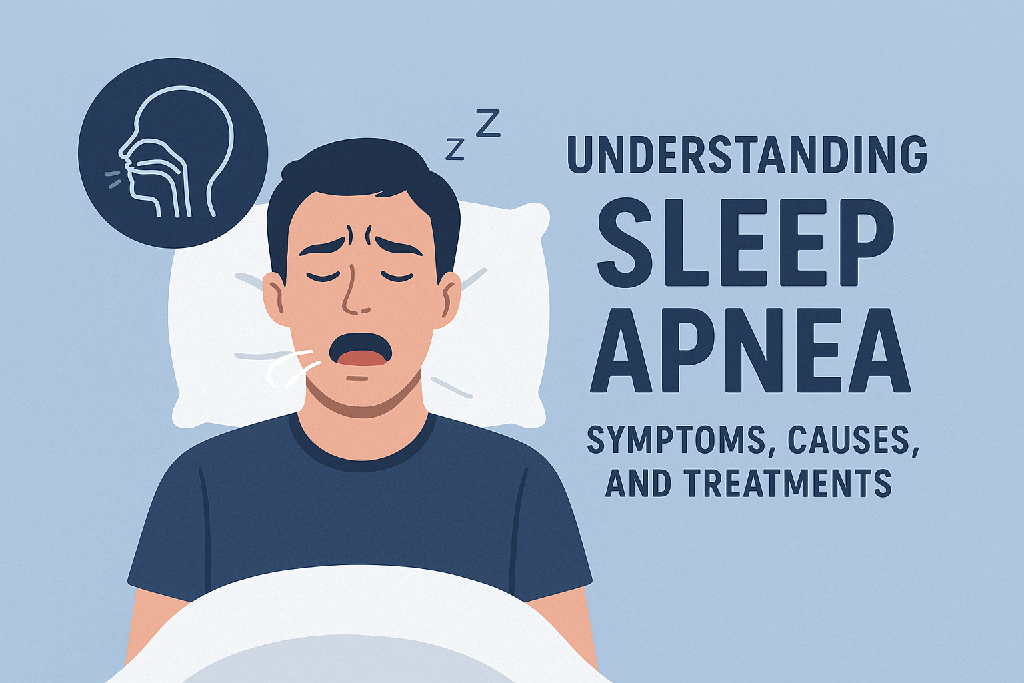
Sleep apnea is a prevalent sleep disorder that affects millions of people worldwide, causing disruptions in breathing during sleep. This condition not only impacts the quality of sleep but also poses significant health risks if left untreated. In this article, we will delve into the intricacies of sleep apnea, exploring its types, symptoms, causes, and available treatments. Our goal is to provide a comprehensive understanding of sleep apnea, helping you recognize its signs and seek appropriate interventions.
What is Sleep Apnea?
Sleep apnea is characterized by repeated interruptions of breathing during sleep, leading to insufficient oxygen supply to the body. These episodes can last for 10 seconds or more and occur multiple times throughout the night. The most common form of sleep apnea is obstructive sleep apnea (OSA), caused by relaxation of the throat muscles that block the airway. Central sleep apnea (CSA), although less common, occurs when the brain fails to send proper signals to the breathing muscles.
Types of Sleep Apnea
- Obstructive Sleep Apnea (OSA): This type occurs when the throat muscles relax excessively, causing a blockage in the airway. It’s the most common form and is often associated with loud snoring and gasping for air during sleep.
- Central Sleep Apnea (CSA): Unlike OSA, CSA is caused by irregularities in the brain’s signals to breathe. People with CSA may experience pauses in breathing or breathe less deeply during sleep.
- Complex Sleep Apnea Syndrome: Also known as treatment-emergent central sleep apnea, this occurs when someone with OSA develops CSA during treatment for OSA.
Symptoms of Sleep Apnea
- Loud snoring
- Episodes of stopped breathing during sleep, often reported by another person
- Gasping or choking during sleep
- Awakening with a dry mouth or sore throat
- Morning headaches
- Difficulty staying asleep (insomnia)
- Excessive daytime sleepiness (hypersomnia)
- Difficulty concentrating
- Mood changes, irritability, or depression
Causes of Sleep Apnea
Several factors contribute to the development of sleep apnea, including:
Obstructive Sleep Apnea Causes
- Excess Weight: Obesity is a significant risk factor, as fat deposits around the upper airway can obstruct breathing.
- Neck Circumference: A thicker neck may lead to a narrower airway.
- Narrow Airway: Some individuals inherit a naturally narrow throat. Enlarged tonsils or adenoids can also block the airway, especially in children.
- Being Male: Men are more likely to develop sleep apnea than women.
- Age: Sleep apnea is more common in older adults.
- Family History: A genetic predisposition can increase the risk.
- Alcohol and Sedatives: These substances relax throat muscles, worsening OSA.
- Smoking: Smoking can increase inflammation and fluid retention in the airway.
- Nasal Congestion: Difficulty breathing through the nose due to allergies or anatomical issues can lead to OSA.
Central Sleep Apnea Causes
- Age: CSA is more common in middle-aged and older individuals.
- Heart Disorders: Conditions like congestive heart failure increase the risk.
- Use of Narcotics: Opioid medications can trigger CSA.
- Stroke: A history of stroke can elevate the risk.
Diagnosis of Sleep Apnea
- Polysomnography: An overnight sleep study that monitors brain waves, oxygen levels, heart rate, and breathing patterns.
- Home Sleep Apnea Testing: Portable devices to monitor breathing and oxygen levels at home.
Treatments for Sleep Apnea
Lifestyle Changes
- Weight Loss: Reducing excess weight can alleviate symptoms.
- Exercise: Regular physical activity improves symptoms and promotes healthy weight.
- Avoiding Alcohol and Smoking: These substances can exacerbate sleep apnea.
- Sleep Position: Sleeping on the side can prevent airway blockage.
Continuous Positive Airway Pressure (CPAP)
Oral Appliances
Surgery
Upper Airway Stimulation
Complications of Sleep Apnea
- High Blood Pressure: Frequent drops in blood oxygen levels increase blood pressure.
- Heart Problems: Sleep apnea heightens the risk of heart attack, stroke, and irregular heartbeats.
- Type 2 Diabetes: Sleep apnea is linked to insulin resistance and diabetes.
- Metabolic Syndrome: A cluster of conditions increasing heart disease risk.
- Liver Problems: Sleep apnea may cause liver function abnormalities.