Getting a good night’s sleep isn’t a luxury — it’s a necessity. With modern life keeping us busier and more wired than ever, restful sleep often feels out of reach. Fortunately, there are plenty of proven tips for getting sleep that can help you fall asleep faster, sleep deeper, and wake up refreshed. Whether you struggle with falling asleep or staying asleep, this guide has got you covered.
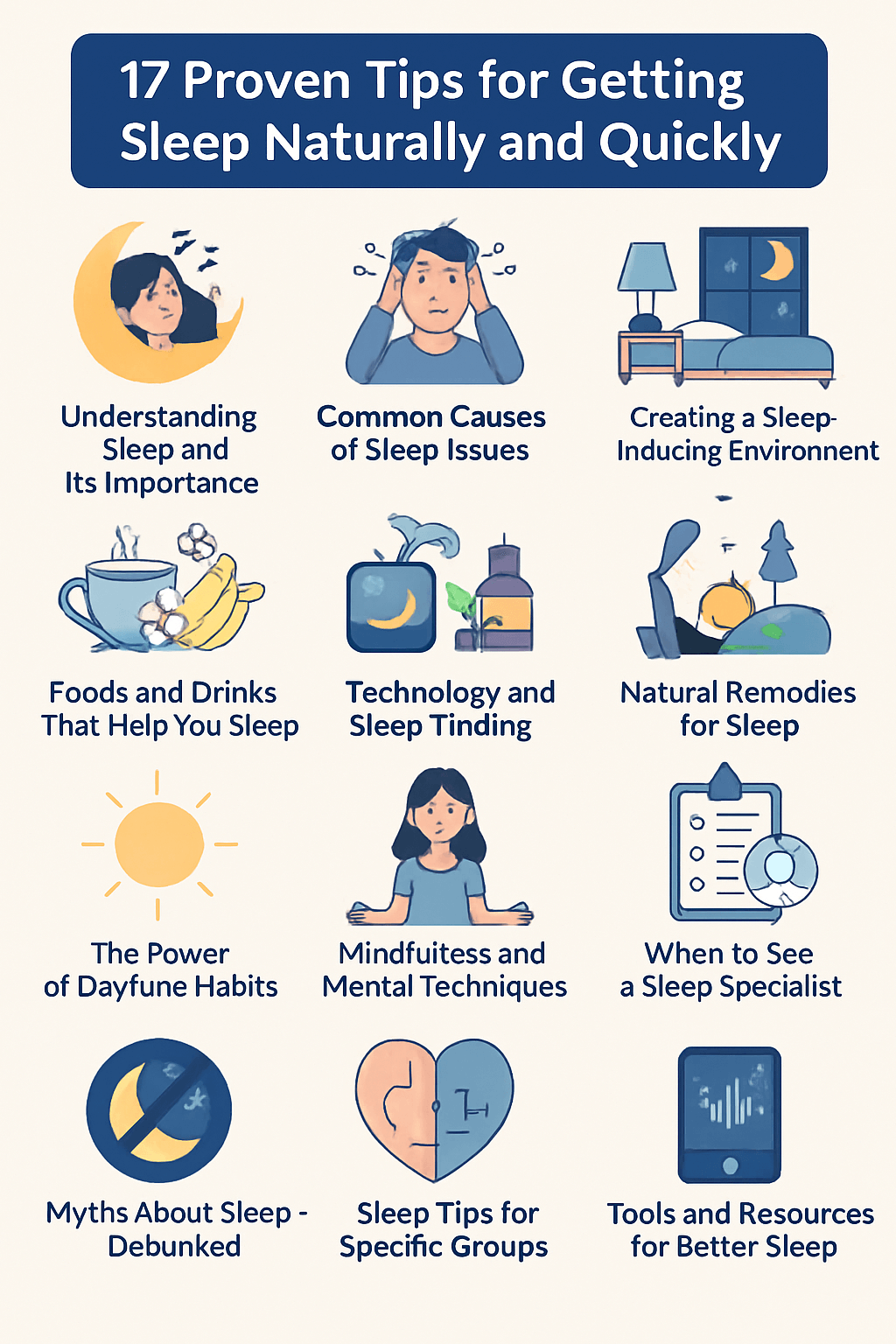
Understanding Sleep and Its Importance
What Happens When You Sleep?
While you sleep, your body is far from inactive. Sleep is when your brain processes information, your muscles repair, and your immune system strengthens. Deep sleep and REM sleep are especially critical for memory, learning, and emotional health.
How Much Sleep Do You Really Need?
Adults generally need 7 to 9 hours of sleep per night. Teens and children require even more. Lack of sleep can lead to irritability, impaired judgment, and long-term health issues like diabetes and heart disease.
Common Causes of Sleep Issues
Stress and Anxiety
One of the top sleep disruptors is stress. Racing thoughts, tension, and overthinking can keep you up for hours. Learning stress management is a key part of better sleep.
Poor Sleep Hygiene
From irregular sleep schedules to noisy environments, bad habits contribute to poor rest. Sleep hygiene refers to the behaviors and routines that help promote consistent, uninterrupted sleep.
Medical and Lifestyle Factors
Certain medications, caffeine intake, and even lack of physical activity can interfere with your sleep cycle. Conditions like sleep apnea, GERD, or chronic pain are also common culprits.
Creating a Sleep-Inducing Environment
Ideal Bedroom Temperature
The sweet spot is around 65°F (18°C). A cooler room signals your body it’s time to sleep, which helps you fall asleep faster and stay asleep longer.
Noise, Light, and Sleep Quality
Block out disruptive noise with earplugs or white noise machines. Use blackout curtains or sleep masks to keep your environment dark.
Choosing the Right Mattress and Pillow
A supportive mattress and pillow can make or break your sleep. Opt for memory foam or hybrid mattresses if you suffer from back or neck pain.
Best Nighttime Habits for Better Sleep
Establishing a Consistent Bedtime
Going to bed and waking up at the same time every day — even on weekends — helps regulate your internal clock, making sleep come more naturally.
Relaxation Rituals Before Bed
Wind down with a warm bath, light stretching, or reading a book. Avoid stimulating activities like checking emails or watching intense TV shows.
Foods and Drinks That Help You Sleep
Herbal Teas
Chamomile, valerian root, and passionflower teas have natural sedative properties that can encourage relaxation and drowsiness.
Magnesium-Rich Foods
Spinach, almonds, and bananas help relax your muscles and calm your nervous system.
Foods to Avoid at Night
Skip spicy meals, caffeine, alcohol, and high-sugar snacks in the evening. These can cause indigestion or keep you wired.
Technology and Sleep: Finding Balance
Screen Time Before Bed
Blue light from phones and screens delays melatonin production. Try cutting screen time at least 1 hour before bed or use a blue light filter.
Using Sleep Apps and Blue Light Filters
Apps like Calm or Headspace offer guided meditations and sleep stories. Night mode settings on your devices can help reduce light exposure.
The Power of Daytime Habits
Morning Sunlight Exposure
Spending 15–30 minutes in natural light early in the day can help reset your circadian rhythm, making it easier to fall asleep at night.
Exercise and Sleep
Physical activity promotes deeper sleep. Just avoid high-intensity workouts close to bedtime.
Avoiding Long Naps
Naps longer than 30 minutes or taken late in the day can interfere with nighttime sleep.
Natural Remedies for Sleep
Aromatherapy
Lavender, sandalwood, and bergamot essential oils can help calm your mind. Use a diffuser or apply diluted oils to your skin.
Melatonin Supplements
Melatonin can help reset your sleep-wake cycle, especially for shift workers or jet-lagged travelers. Always consult a doctor before use.
Breathing Exercises
Techniques like the 4-7-8 breathing method can lower your heart rate and relax your body for sleep.
Mindfulness and Mental Techniques
Meditation
Mindfulness meditation teaches you to stay present and let go of intrusive thoughts. Regular practice can calm the mind, reduce anxiety, and improve sleep quality. Apps like Insight Timer and Calm offer guided sessions specifically for sleep.
Journaling Before Bed
Writing down your thoughts can help clear mental clutter. Consider keeping a gratitude journal or listing tomorrow’s to-dos to ease the transition into sleep.
Gratitude Practices
Ending the day with positive reflections can improve mood and reduce stress. Just 5 minutes of thinking about things you’re grateful for can shift your mindset and help you unwind.
Sleep Disorders You Shouldn’t Ignore
Insomnia
Struggling to fall or stay asleep for more than three nights a week for several months could be chronic insomnia. It may require cognitive behavioral therapy or medical intervention.
Sleep Apnea
This condition causes breathing to repeatedly stop and start during sleep. If you snore loudly or feel tired despite a full night’s rest, consult a specialist.
Restless Leg Syndrome (RLS)
RLS involves an uncontrollable urge to move your legs, especially at night. It can significantly affect sleep quality and often requires medical diagnosis and treatment.
Creating a Personalized Sleep Routine
Sleep Tracking Tools
Use devices like Fitbits, Apple Watches, or sleep-tracking apps to monitor your sleep stages, wake times, and interruptions. This helps you identify patterns and make informed changes.
Identifying Your Sleep Patterns
Are you a night owl or an early bird? Knowing your natural rhythm (chronotype) helps tailor your routine to match your body’s ideal sleep-wake cycle.
When to See a Sleep Specialist
Red Flags to Watch For
If you experience persistent fatigue, excessive daytime sleepiness, loud snoring, or frequent awakenings, it might be time to seek professional help.
How Sleep Clinics Can Help
Sleep studies can identify underlying issues like apnea or movement disorders. Treatment may include CPAP machines, behavioral therapy, or medication.
Myths About Sleep – Debunked
“You Can Catch Up on Sleep”
Sleeping extra on weekends doesn’t fully counteract a week of poor rest. Consistency is more important than occasional oversleeping.
“More Sleep is Always Better”
Too much sleep can also be a sign of health problems. Regularly sleeping more than 9 hours may indicate depression, thyroid issues, or other concerns.
Sleep Tips for Specific Groups
Sleep Tips for Teens
Encourage consistent schedules, avoid caffeine, and reduce screen time. Teens’ natural clocks shift later, but structure is still key.
Sleep Tips for Pregnant Women
Try sleeping on your left side, use body pillows for support, and avoid large meals late in the evening.
Seniors and Sleep
Older adults may wake more often during the night. Create a calming bedtime routine and limit naps during the day.
Sleep and Mental Health: A Two-Way Street
Anxiety, Depression, and Sleep
Mental health and sleep are closely linked. Poor sleep can worsen anxiety and depression, while mood disorders often disrupt sleep. Therapy and lifestyle changes can help break the cycle.
Emotional Resilience from Rest
A well-rested brain is better equipped to handle stress, regulate emotions, and stay focused. Think of good sleep as emotional armor.
Tools and Resources for Better Sleep
Books, Podcasts, and Apps
Books like Why We Sleep by Matthew Walker offer science-backed tips. Sleep-focused podcasts and apps provide relaxation tools, bedtime stories, and guided breathing.
Wearables and Smart Devices
Smartwatches, fitness bands, and smart home devices like temperature regulators or ambient lights can optimize your sleep environment.
Frequently Asked Questions (FAQs)
1. What is the fastest way to fall asleep naturally?
Techniques like the 4-7-8 breathing method, progressive muscle relaxation, and visualization exercises can help calm the mind and body quickly.
2. How can I sleep better without medication?
Practice good sleep hygiene, follow a regular schedule, avoid stimulants in the evening, and create a calming bedtime routine.
3. What foods help you sleep better?
Bananas, almonds, oatmeal, kiwi, and turkey contain nutrients like magnesium, tryptophan, and melatonin that support better sleep.
4. Does screen time really affect sleep?
Yes, blue light from screens delays melatonin production. Avoid screens at least an hour before bed or use blue-light-blocking glasses.
5. Are naps bad for my sleep?
Short naps (20–30 minutes) can boost alertness, but long or late naps may interfere with nighttime rest.
6. How do I know if I have a sleep disorder?
If you’re always tired despite sleeping enough, wake frequently, or snore heavily, consult a healthcare provider for evaluation.
Conclusion: Sleep Better, Live Better
Quality sleep is the cornerstone of physical, mental, and emotional well-being. By applying these simple yet powerful tips for getting sleep, you can transform your nights and energize your days. Start small, stay consistent, and give your body the rest it deserves. Because when you sleep better — you live better.
Helpful Resource: National Sleep Foundation – Sleep Tips