Introduction
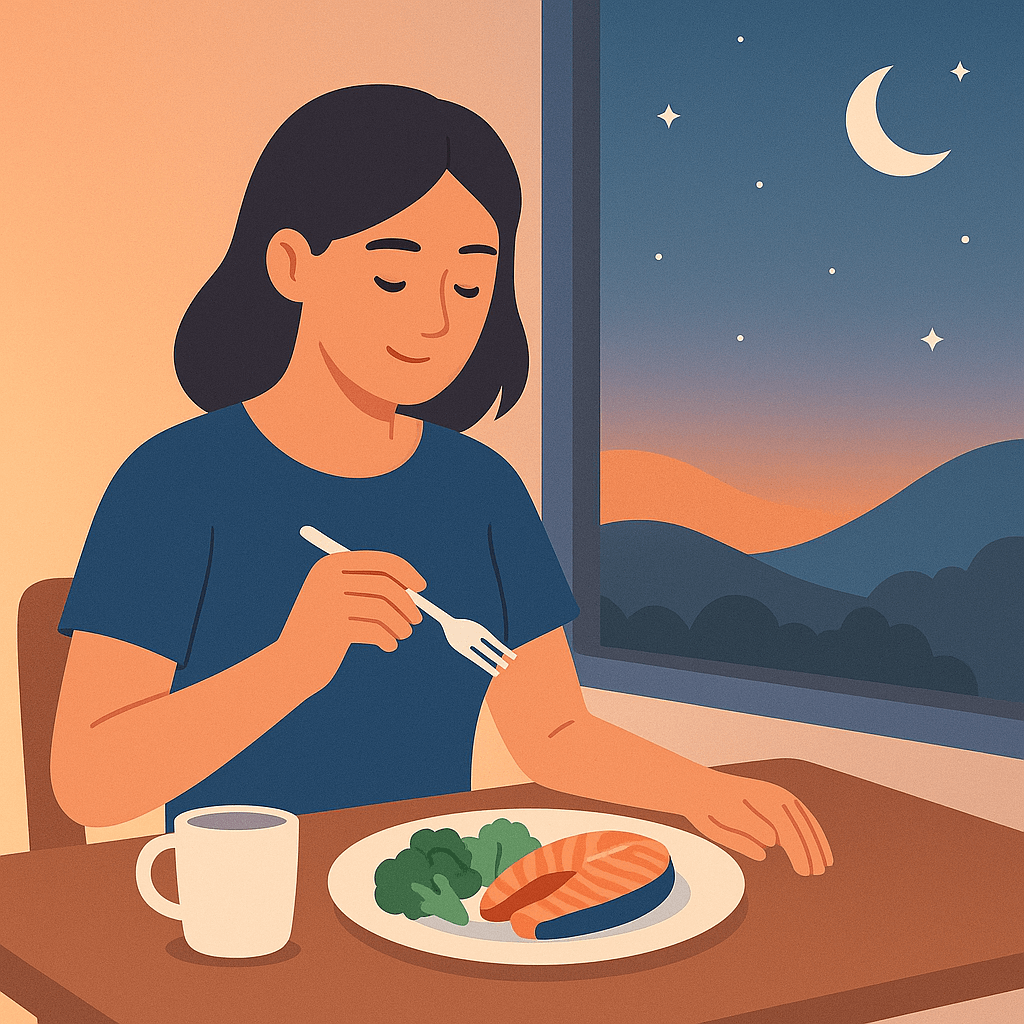
Have you ever had trouble sleeping after a heavy, greasy dinner or felt unusually tired after skipping meals? It’s not your imagination—what you eat can have a profound effect on how well you sleep. While we often talk about stress, screens, and sleep hygiene, one of the most overlooked influences on sleep quality is diet.
Your body’s internal clock, hormone production, and even the ability to reach deep sleep stages are all tied to your nutritional choices. In this article, we’ll explore how diet and nutrition affect sleep and offer practical tips on what to eat (and avoid) for more restful nights.
Part 1: Nutrients That Support Healthy Sleep
Certain vitamins, minerals, and compounds in food play direct roles in regulating sleep cycles:
1. Tryptophan & Melatonin Boosters
Tryptophan is an amino acid that helps your body produce serotonin and melatonin—key hormones for sleep. Foods high in tryptophan include:
Turkey and chicken
Milk and yogurt
Pumpkin seeds
Oats and bananas
These foods are especially beneficial in the evening, supporting your body’s natural wind-down process.
2. Magnesium & Calcium: The Relaxation Minerals
Both minerals are involved in nerve regulation and muscle relaxation. Low magnesium levels have been linked to insomnia. Great dietary sources include:
Leafy greens like spinach
Almonds and cashews
Whole grains
Low-fat dairy
Combining magnesium and calcium (e.g., a small bowl of yogurt with oats) can have a synergistic calming effect.
3. B Vitamins for Circadian Rhythm Regulation
B-complex vitamins—especially B6, B12, and folate—are essential in supporting your sleep-wake cycle. They help the brain produce sleep hormones and maintain stable energy during the day.
Part 2: Foods and Habits That Disrupt Sleep
Just as some foods help you sleep, others can significantly interfere with your rest—especially when consumed too close to bedtime.
1. Caffeine and Hidden Stimulants
Everyone knows coffee can keep you awake, but caffeine hides in many common foods:
Chocolate (especially dark chocolate)
Some protein bars and energy drinks
Green and black tea
Medications and supplements (e.g., pre-workouts)
Caffeine has a half-life of 5–7 hours, meaning even an afternoon latte can disrupt deep sleep at night. Set a “caffeine curfew” of no later than 2 PM.
2. High-Sugar and Refined Carbohydrates
Sugary snacks and white-flour-based carbs cause rapid spikes and crashes in blood sugar. These fluctuations can:
Trigger nighttime awakenings
Increase cortisol (a stress hormone)
Disrupt melatonin production
Instead of desserts or white bread, opt for complex carbs like oats, quinoa, or sweet potatoes at dinner.
3. Heavy Meals and Spicy Foods Late at Night
Eating a large or spicy meal within 2–3 hours of bedtime can cause:
Acid reflux or heartburn
Discomfort that delays sleep onset
Increased body temperature, which hinders deep sleep
Try to eat dinner at least three hours before bed, and keep late-night snacks light and easy to digest.
Part 3: Eating Habits That Improve Sleep
It’s not just what you eat—but how and when you eat—that shapes your sleep quality. Consider these practical adjustments:
1. Establish a Consistent Eating Schedule
The body’s circadian rhythm is influenced not only by light but also by food timing. Irregular meal times can:
Disrupt your internal clock
Confuse your body’s metabolic rhythm
Delay the release of melatonin
Try to have meals around the same time each day, especially dinner. Ideally, aim to finish eating at least 2.5–3 hours before going to bed.
2. Incorporate a Light Bedtime Snack (If Needed)
Going to bed hungry can be just as disruptive as eating too much. If you’re slightly hungry before bed, a small snack can help:
Support stable blood sugar
Promote relaxation
Smart bedtime snack options include:
A banana with a spoon of almond butter
Warm oat milk or unsweetened chamomile tea
A handful of walnuts or pumpkin seeds
Avoid snacks high in sugar or saturated fat.
3. Stay Hydrated—But Time It Right
Mild dehydration can lead to dry mouth and leg cramps at night, but drinking too much water before bed may cause frequent bathroom trips.
Focus on hydrating throughout the day
Taper off liquids 1–2 hours before bedtime
Limit alcohol and caffeine, both of which are dehydrating
Final Thoughts: Food as a Tool for Restful Nights
Nutrition is one of the most underappreciated levers for better sleep. With just a few targeted changes—like timing your meals, choosing sleep-promoting nutrients, and cutting back on sleep-disruptors—you can shift your body toward deeper, more restorative rest.
Think of your daily food choices as a conversation with your body’s internal clock. When you speak its language, sleep comes naturally.