Getting enough quality sleep is one of the most important pillars of health, alongside proper nutrition and regular exercise. Yet, many people struggle to fall asleep quickly or stay asleep through the night. Whether it’s due to stress, an uncomfortable environment, or an overactive mind, the good news is there are many effective things to help sleep better.
In this comprehensive guide, we’ll explore science-backed methods, natural remedies, and lifestyle changes that can transform your nights — and your mornings.
Lorem ipsum dolor sit amet, consectetur adipiscing elit. Ut elit tellus, luctus nec ullamcorper mattis, pulvinar dapibus leo.
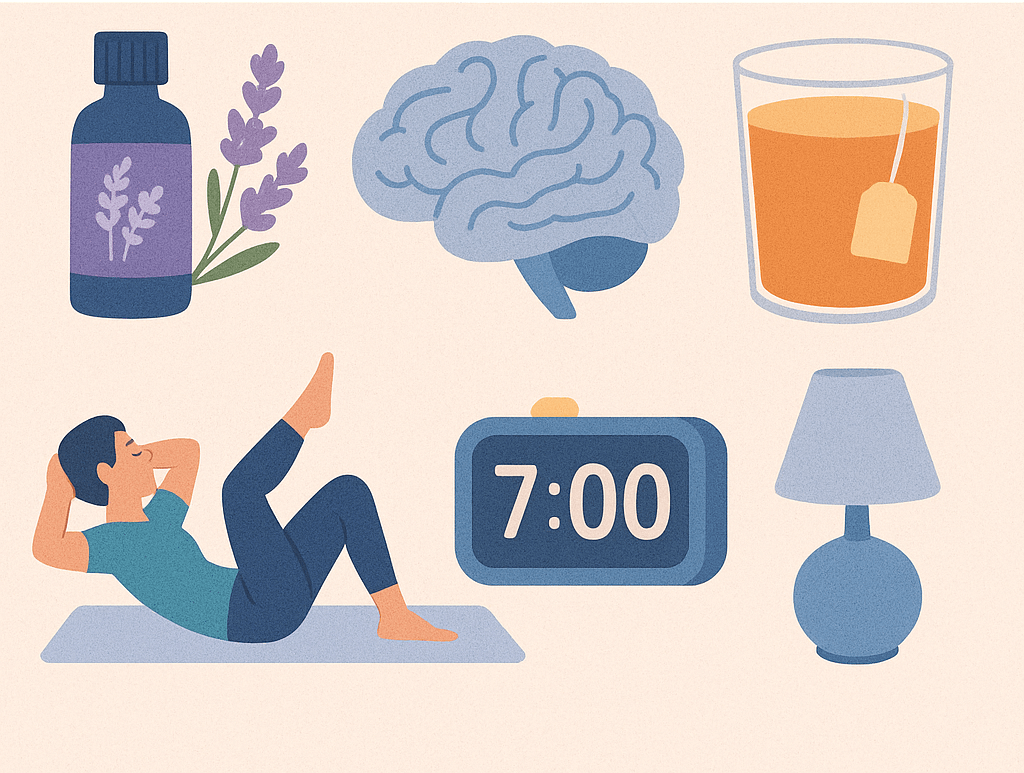
Introduction: Why Quality Sleep Matters
Sleep isn’t just a luxury; it’s essential for mental clarity, emotional stability, immune function, and physical performance. Poor sleep can lead to fatigue, mood swings, weight gain, and even chronic diseases. That’s why finding the right things to help sleep isn’t just about feeling rested — it’s about protecting your long-term health.
Understanding Sleep Science
How Sleep Cycles Work
Sleep is divided into four stages — light sleep, deep sleep, and REM (rapid eye movement) — that repeat in cycles throughout the night. Each stage plays a unique role in recovery, memory processing, and hormone regulation.
The Role of Melatonin in Sleep
Melatonin is the body’s natural “sleep hormone,” produced by the pineal gland in response to darkness. It helps regulate the sleep-wake cycle, making it easier to drift off at night. Boosting melatonin naturally is one of the easiest things to help sleep better.
Lifestyle Changes for Better Sleep
Establishing a Consistent Bedtime
Going to bed and waking up at the same time every day — even on weekends — strengthens your circadian rhythm, making it easier to fall asleep naturally.
Limiting Blue Light Exposure Before Bed
Blue light from phones, tablets, and computers signals your brain to stay alert. Using blue light blocking glasses or enabling “night mode” can help.
The Impact of Exercise on Sleep
Regular physical activity helps you sleep more soundly, but avoid intense workouts within two hours of bedtime.
Dietary Adjustments to Promote Sleep
Foods That Naturally Boost Melatonin
Certain foods are rich in melatonin or its precursor, tryptophan, which supports serotonin production. Cherries, kiwi, almonds, and oats are excellent additions to your evening snack list.
Drinks That Calm the Nervous System
Warm herbal teas like chamomile, lavender, and lemon balm have been shown to reduce anxiety and promote relaxation. A small glass of warm milk can also help, thanks to its tryptophan content.
What to Avoid Eating Before Bed
Heavy, greasy meals and high-sugar desserts can disrupt sleep by triggering digestion and blood sugar spikes. Spicy foods may also cause heartburn, making it harder to fall asleep.
Sleep-Friendly Bedroom Setup
Choosing the Right Mattress and Pillow
Your bed should support your spine and match your preferred sleeping position. Memory foam, latex, or hybrid mattresses can enhance comfort. Pillows should support your neck without causing strain.
Optimal Room Temperature for Sleep
Experts recommend keeping your bedroom between 60–67°F (15–19°C). Cooler temperatures encourage your body to enter deeper sleep stages faster.
Using Aromatherapy for Relaxation
Essential oils like lavender, bergamot, and sandalwood can trigger calming brain responses. Use a diffuser or lightly mist your pillow with a sleep-friendly blend.
Natural Remedies & Supplements
Herbal Teas for Bedtime
Chamomile tea contains apigenin, a compound that binds to brain receptors to promote sleepiness. Valerian root tea is another powerful natural sedative.
Magnesium and Sleep Quality
Magnesium helps regulate neurotransmitters that control sleep. Supplements or magnesium-rich foods like pumpkin seeds can support better rest.
CBD Oil and Relaxation Benefits
CBD oil may reduce anxiety and calm an overactive mind, making it easier to drift off without the grogginess of traditional sleep aids.
Mindfulness & Relaxation Techniques
Deep Breathing Exercises
Techniques like the 4-7-8 breathing method slow your heart rate and signal your body to relax.
Progressive Muscle Relaxation
Tensing and then relaxing each muscle group can release physical tension that keeps you awake.
Guided Sleep Meditations
Apps like Calm or Insight Timer offer narrated meditations designed to quiet mental chatter.
Technology to Aid Sleep
White Noise and Sound Machines
Background noise can mask disruptive sounds. Options include ocean waves, rain, or steady white noise.
Sleep Tracking Apps
Wearables like Fitbit and Oura Ring can monitor sleep cycles, helping you identify patterns and issues.
Smart Lighting Systems
Lights that gradually dim at night and brighten in the morning can support your circadian rhythm.
Habits to Avoid Before Bed
Late-Night Screen Time
Scrolling on your phone at midnight not only delays sleep but can keep your mind overly stimulated.
Overthinking and Stress
Try a “brain dump” — writing down thoughts before bed — to clear your mind of lingering worries.
FAQs on Things to Help Sleep
Q1: What is the single most effective thing to help sleep fast?
A consistent bedtime routine is often the most effective.
Q2: Can I take melatonin every night?
It’s safe short-term, but long-term use should be discussed with a doctor.
Q3: Are naps bad for sleep at night?
Short naps (20–30 minutes) can boost alertness without harming nighttime sleep.
Q4: How dark should my room be?
Completely dark is best — consider blackout curtains or an eye mask.
Q5: Does caffeine in the afternoon really affect sleep?
Yes, caffeine can stay in your system for 6–8 hours, making it harder to sleep.
Q6: Is listening to music before bed okay?
Yes, calming music can be beneficial if it’s slow-paced and soothing.
Conclusion & Final Thoughts
Quality sleep is the foundation of a healthy life. By making small adjustments — from your evening routine to your bedroom environment — you can enjoy deeper rest and more energized mornings. Whether it’s a warm cup of tea, a mindful breathing session, or a tech tool that supports rest, the things to help sleep outlined here can transform your nights and boost your overall well-being.