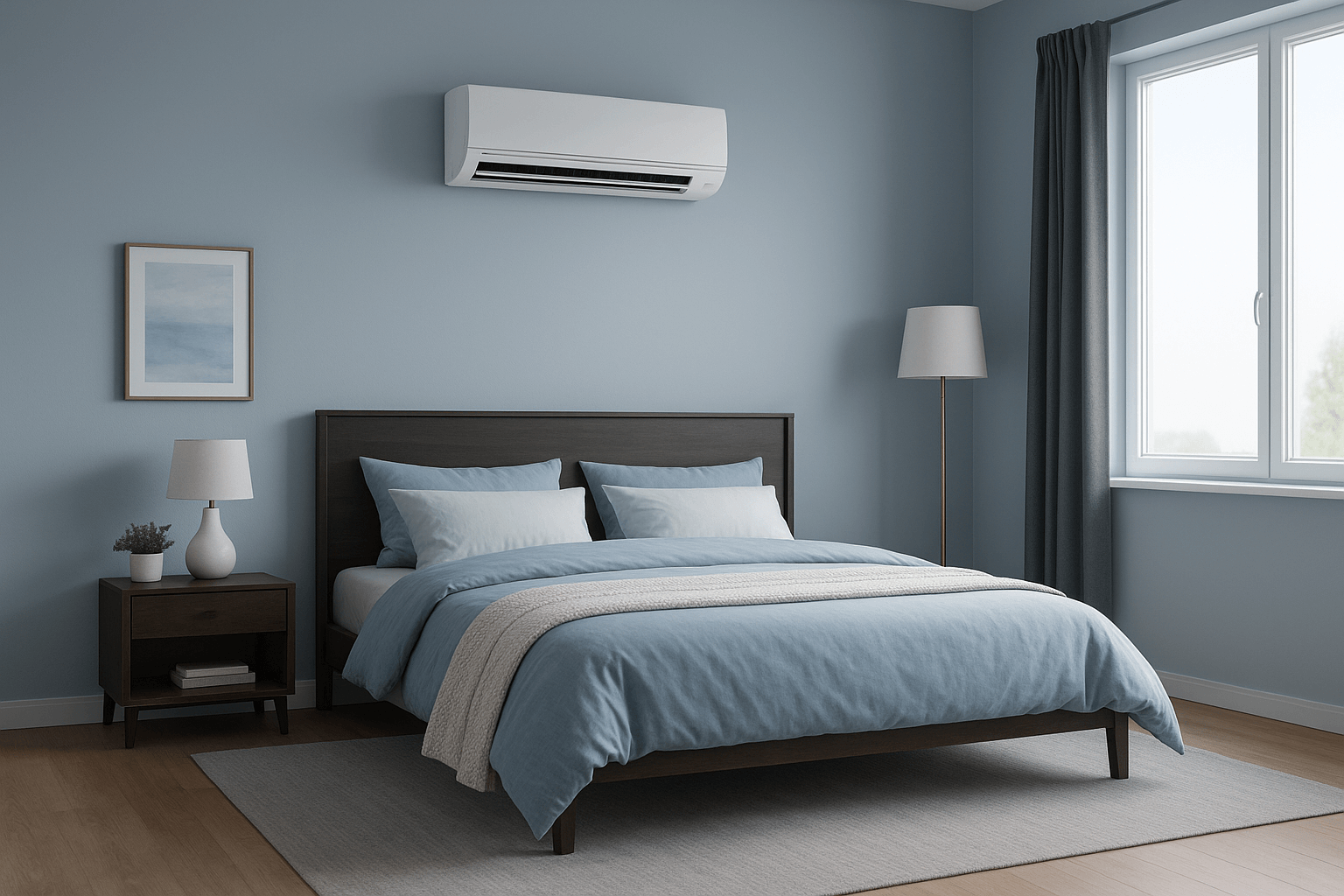
Why Temperature Matters for Quality Sleep
Sleep is the foundation of health, and while most people focus on mattresses, pillows, or blackout curtains, temperature is one of the most overlooked factors in achieving restorative sleep. A room that’s too hot or too cold can leave you tossing and turning, even if everything else feels perfect.
Finding the best temperature for sleep isn’t just about comfort—it’s a science-backed strategy that directly impacts your deep sleep cycles, immune system, and mental clarity. Let’s explore the science, health benefits, and practical tips to create the perfect sleep environment.
Understanding the Science Behind Sleep and Temperature
How Body Temperature Naturally Changes Overnight
Our bodies follow a circadian rhythm, a 24-hour internal clock that regulates energy, hormones, and body temperature. As bedtime approaches, your core temperature drops slightly to signal your body it’s time to sleep.
If your room temperature fights against this natural process—either keeping you too warm or too cold—your body struggles to reach deep sleep.
The Role of Thermoregulation in Sleep Cycles
Thermoregulation is how the body balances heat. During non-REM sleep, your body temperature lowers, while in REM sleep, your body becomes more sensitive to external temperature. This means that the wrong room temperature can disrupt REM cycles, leaving you groggy in the morning.
What Is the Best Temperature for Sleep?
Recommended Bedroom Temperature Range
Most sleep experts recommend keeping your bedroom between 60°F and 67°F (15.5°C – 19.5°C). This range supports your body’s natural cooling process, making it easier to fall asleep and stay asleep.
Differences Between Adults, Children, and Seniors
Adults: 60–67°F is ideal.
Children: Slightly warmer, around 65–70°F.
Seniors: Often prefer warmer rooms, but overheating can cause restlessness.
How Seasonal Changes Affect Sleep Temperature
Summer: Use fans, lightweight bedding, or cooling mattresses.
Winter: Warm blankets are fine, but keep the room itself cool to prevent overheating.
Health Benefits of Sleeping at the Ideal Temperature
Improved Sleep Quality and Deep Rest
Cooler temperatures promote slow-wave sleep, the deepest stage of non-REM sleep. This is when your body repairs muscles, restores energy, and strengthens immunity.
Reduced Risk of Insomnia and Sleep Disorders
Studies show that people in cooler rooms fall asleep faster and wake up less frequently. On the other hand, overheating increases the chances of insomnia.
Enhanced Mental Clarity and Daytime Energy
Quality sleep at the right temperature improves memory, focus, and decision-making. Poor sleep leads to brain fog and reduced productivity.
Better Cardiovascular and Metabolic Health
Sleeping in a cool room lowers your heart rate and blood pressure, reducing strain on the heart. It may also improve insulin sensitivity, lowering the risk of type 2 diabetes.
Common Mistakes That Disrupt Sleep Temperature
Overheating from Bedding and Pajamas
Heavy blankets and thick pajamas trap heat, making you sweat and wake up at night.
Using the Wrong Thermostat Settings
Leaving the thermostat too high, especially in winter, is a common mistake that disrupts sleep quality.
Ignoring Humidity and Ventilation
High humidity makes the air feel warmer and sticky, while poor ventilation traps heat and CO₂, affecting sleep.
Practical Tips to Achieve the Best Sleep Temperature
Smart Thermostat Adjustments
Set your thermostat to cool down 30 minutes before bedtime and warm up gradually before waking.
Bedding and Pajama Choices for Comfort
Choose breathable materials like cotton, bamboo, or linen. Avoid synthetic fabrics that trap heat.
Cooling Gadgets and Sleep Tech
Cooling pads, breathable mattresses, and fans with sleep timers can make a big difference.
Natural Ways to Regulate Bedroom Climate
Open windows, use blackout curtains to block sunlight, and keep electronics (which produce heat) away from the bed.
Best Temperature for Sleep in Special Cases
Babies and Toddlers
Babies are more sensitive to overheating, so keep the room slightly warmer—65–70°F—and avoid heavy blankets.
Pregnant Women
Pregnancy raises body temperature. A cool room helps reduce hot flashes and night sweats.
Menopause and Night Sweats
Women going through menopause often experience hot flashes. Cooling mattresses, fans, and lighter bedding are essential.

FAQs: Best Temperature for Sleep
1. What is the best temperature for sleep for adults?
The ideal range is 60–67°F (15.5–19.5°C).
2. Is it better to sleep in a cold or warm room?
Cooler rooms are better for deep, restorative sleep.
3. Can sleeping in a hot room cause insomnia?
Yes. Overheating makes it harder to fall asleep and stay asleep.
4. Do babies need a warmer room to sleep?
Yes, but not too warm. Around 65–70°F is safe and comfortable.
5. How does humidity affect sleep temperature?
High humidity makes you feel warmer, disrupting sleep. A 40–60% humidity level is ideal.
6. What if I can’t control my thermostat?
Use fans, breathable bedding, and cooling gadgets to regulate your personal sleep environment.
Creating the Perfect Sleep Environment
Finding the best temperature for sleep is about more than comfort—it’s about protecting your long-term health. By keeping your room cool, adjusting bedding, and making small lifestyle changes, you can unlock deeper sleep, better focus, and more energy every day.
If you’re serious about upgrading your sleep, start with your thermostat tonight—you’ll feel the difference in the morning.