Understanding Deep Sleep: The Science Behind Restorative Rest
What Is Deep Sleep and Why It Matters
Deep sleep, also known as slow-wave sleep (SWS), is the most restorative stage of your sleep cycle. During this phase, your body repairs tissues, builds muscle, strengthens immunity, and consolidates memory. It typically occurs in the first half of the night and is essential for physical recovery and mental clarity.
When you lack deep sleep, you may feel fatigued, mentally foggy, and emotionally drained — even after a full night’s rest. Learning how to increase deep sleep naturally can significantly improve your energy, focus, and long-term health.
Stages of Sleep: How Deep Sleep Fits In
Your sleep is divided into four main stages — light sleep, deep sleep, and two REM stages. Deep sleep usually makes up 13–23% of total sleep in healthy adults. As we age, we spend less time in this stage, making it even more crucial to protect and enhance it through natural means.
Signs You’re Not Getting Enough Deep Sleep
Physical and Mental Symptoms of Poor Deep Sleep
Common signs include morning grogginess, body aches, irritability, poor memory, and a weakened immune system. You might also notice frequent nighttime awakenings and vivid dreams that leave you unrested.
Common Lifestyle Factors That Disrupt Sleep Quality
Excess caffeine, late-night screen use, irregular sleep times, high stress, and heavy dinners are some of the biggest culprits. Over time, these habits reduce deep sleep cycles, leaving your body in a constant state of fatigue.
Proven Natural Methods to Increase Deep Sleep
1. Maintain a Consistent Sleep Schedule
Your brain loves rhythm. Going to bed and waking up at the same time daily helps regulate your circadian rhythm. Aim for a regular bedtime even on weekends to help your body recognize when it’s time to enter deep sleep.
2. Create a Sleep-Friendly Bedroom Environment
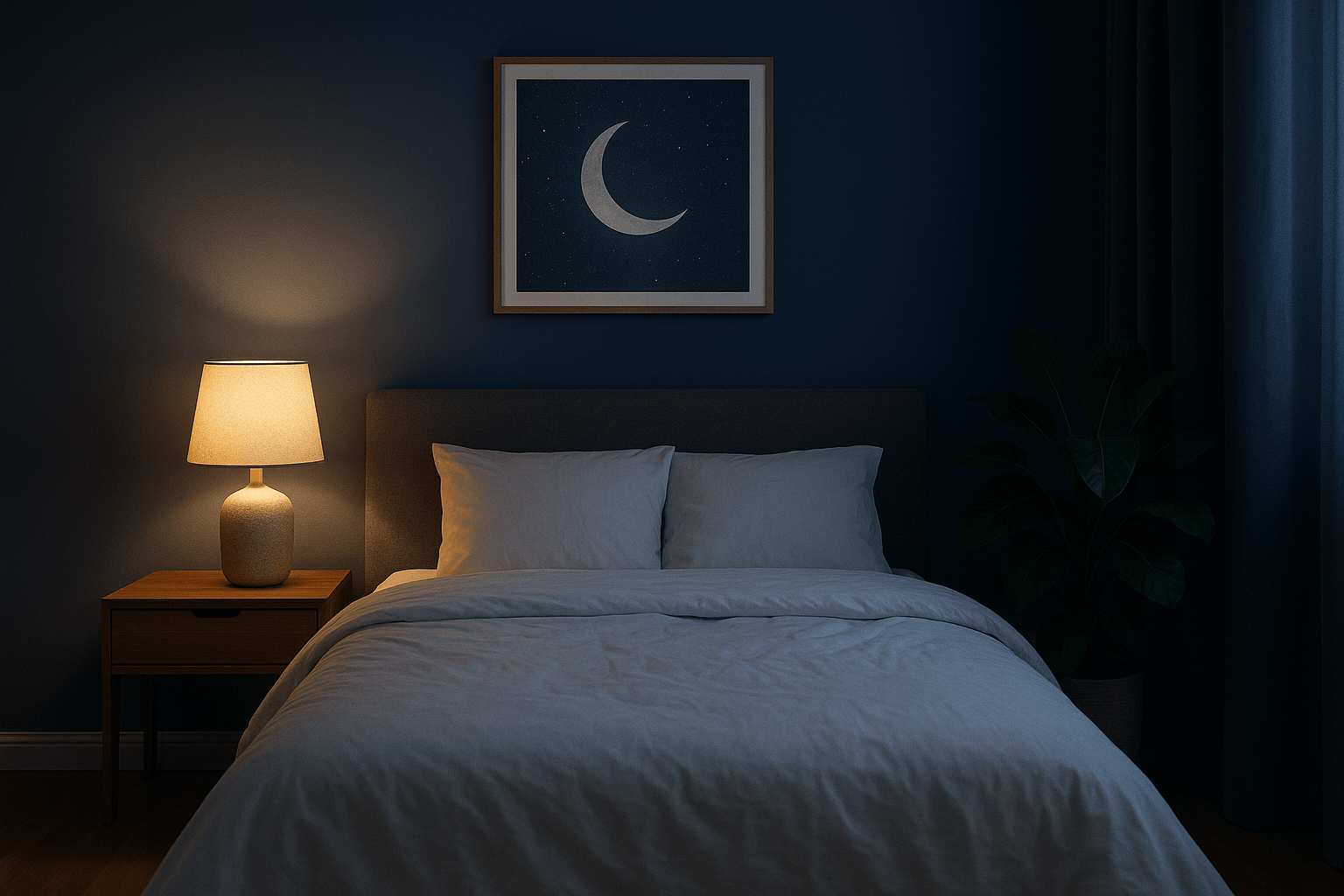
Keep your bedroom cool (around 65°F or 18°C), dark, and quiet. Use blackout curtains, white noise machines, or sleep masks if needed. Choose a comfortable mattress and pillow that support proper alignment.
3. Manage Stress and Practice Relaxation Techniques
Stress hormones like cortisol can block deep sleep. Practice deep breathing, progressive muscle relaxation, or mindfulness meditation before bed. Even five minutes of slow breathing can reduce heart rate and ease your transition into deep sleep.
4. Limit Blue Light Exposure Before Bedtime
Blue light from phones and computers suppresses melatonin production. Try using blue-light filters or switching to warm light an hour before sleep. Reading a paper book or journaling can also help.
5. Incorporate Regular Physical Activity
Exercise boosts sleep quality, especially deep sleep. Aim for at least 30 minutes of moderate exercise daily, but avoid vigorous workouts close to bedtime as they can raise your heart rate and delay sleep onset.
6. Optimize Diet and Nutrient Intake
Foods rich in magnesium, potassium, and tryptophan — like bananas, almonds, and turkey — promote deep sleep. Avoid heavy, spicy meals and excess sugar late at night.
7. Avoid Stimulants and Heavy Meals Before Sleep
Caffeine, nicotine, and alcohol can disrupt deep sleep stages. Avoid caffeine at least 6 hours before bedtime and skip late-night drinks or snacks that can raise your metabolism during sleep.
Natural Supplements That May Support Deep Sleep
Magnesium, Melatonin, and Herbal Aids Explained
Magnesium glycinate helps relax muscles and reduce nighttime awakenings.
Melatonin, a natural sleep hormone, supports your circadian rhythm when taken in small doses.
Valerian root, chamomile, and ashwagandha are calming herbs that aid relaxation.
Always consult your healthcare provider before trying new supplements.
The Role of Mindfulness and Meditation in Deep Sleep
Breathing Exercises and Guided Meditation for Sleep
Mindfulness-based practices help reduce anxiety and quiet mental chatter. Try guided meditations or sleep stories on apps like Headspace or Calm. Deep breathing exercises — like the 4-7-8 technique — can quickly activate your parasympathetic nervous system, easing you into a peaceful slumber.
Creating a Nightly Routine That Promotes Deep Sleep
Sample Evening Routine for Better Sleep Quality
Dim the lights an hour before bed.
Enjoy a cup of caffeine-free tea (chamomile or lavender).
Write a short gratitude journal entry.
Stretch lightly or meditate.
Read or listen to calming music.
Consistency in your routine signals to your body that it’s time to wind down.
Common Myths About Deep Sleep Debunked
Do You Really Need 8 Hours of Sleep?
Not necessarily. Sleep needs vary by age and lifestyle. What matters most is sleep quality, not just quantity. A well-balanced 7-hour sleep with enough deep and REM sleep can be more restorative than 9 hours of fragmented rest.
Is Deep Sleep the Same for Everyone?
No — genetics, stress levels, and age influence your sleep patterns. While you can’t control everything, improving your sleep hygiene can greatly enhance your deep sleep duration and efficiency.
Expert Tips for Long-Term Sleep Health
Tracking Sleep Patterns and Making Gradual Changes
Use sleep trackers or smartwatches to monitor patterns. Implement changes one at a time to see what works best. Over time, your sleep cycles will become more stable and restorative.
When to Consult a Sleep Specialist
If insomnia or poor sleep persists for more than three weeks, it may indicate an underlying issue such as sleep apnea or hormonal imbalance. Consult a sleep expert for proper diagnosis and treatment.
FAQs on How to Increase Deep Sleep Naturally
1. How many hours of deep sleep do adults need?
Adults typically need about 1.5 to 2 hours of deep sleep each night for optimal recovery.
2. Can naps improve deep sleep?
Short naps (20–30 minutes) can boost alertness but don’t significantly increase deep sleep duration.
3. Does meditation increase deep sleep?
Yes, mindfulness and meditation lower stress and help the brain transition into deep sleep more smoothly.
4. What foods promote deep sleep?
Foods rich in magnesium, potassium, and tryptophan — like almonds, bananas, and oats — support deep sleep.
5. Does caffeine affect deep sleep?
Absolutely. Caffeine can remain in your system for up to 8 hours and disrupt your sleep cycle.
6. How can I naturally balance my sleep hormones?
Expose yourself to natural daylight in the morning and limit blue light at night to support healthy melatonin levels.
Embrace Restful Nights and Wake Refreshed
Deep sleep is the cornerstone of physical restoration and mental rejuvenation. By learning how to increase deep sleep naturally, you can transform your nights into truly restorative experiences. Prioritize relaxation, balance your lifestyle, and maintain consistency — your mind and body will thank you every morning.
For additional insights into sleep science, visit Sleep Foundation.
An fascinating dialogue is price comment. I feel that you need to write more on this matter, it won’t be a taboo topic however usually people are not enough to talk on such topics. To the next. Cheers